by Lidija Pisker
Rome is a lasagna of history: the remains of ancient homes form the bottom layer, covered by the medieval streets that rise above them; baroque churches decorate the stack; and modern traffic winds through the gaps like the top layer of the besciamella white sauce. The city looks like a thick slice of more than two millennia of urban planning, for the most part baked by men.
But what if we experienced The Eternal City not only by what we see around us, but by how it makes us feel? And what if women, whose voices have not been included in the official recipe, became the cooks of its newest level?
According to the Mapping Diversity research by the European Data Journalism Network, of the 16,691 streets and squares in Rome, 8,067 are dedicated to named individuals. Of these, almost 93% honour men, and only about 7% honour women. The same research, conducted across 32 European cities, found the pattern repeated continent-wide: streets, statues, and squares overwhelmingly celebrate male political leaders, military figures, and cultural icons, while women remain largely absent from recognitions in the public space.
So, if culture is meant to sit “at the heart of [our] political vision,” as the European Commission declared in its Culture Compass, whose culture, and whose memory, are we actually placing there?
Earlier this year, I set out to answer this question through sound, continuing the work I began in Zenica, Bosnia and Herzegovina, and later carried to Gibellina, Sicily. The Female Face of Rome is a sound-mapping project built on the testimonies of women who live in Rome but were not born here — from Russia, Bangladesh, Iran, and Syria — alongside my own story as a Bosnian woman who has made this city home.
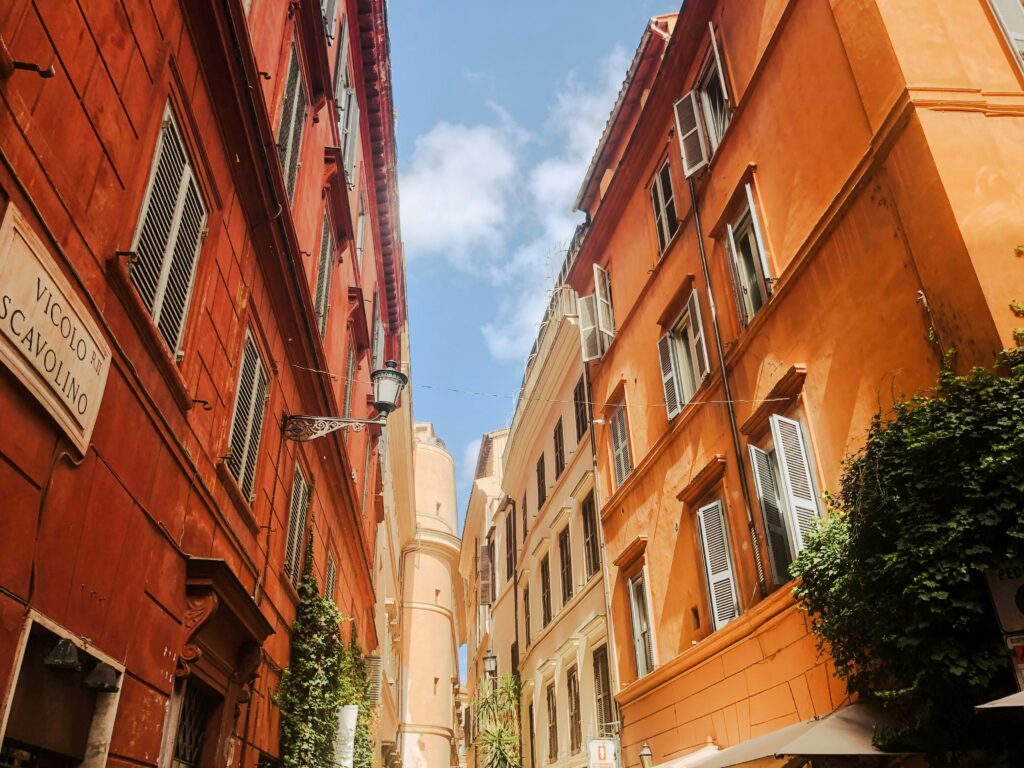
Writing my own piece about the main train station, Termini Stazione, I looked at the map around it: Piazza dei Cinquecento is named after 500 Italian soldiers who died in Eritrea in 1887, one of Italy’s colonial conquests. The surrounding streets carry the names of Giolitti, Amendola, Prince Amedeo, a dense concentration of male political memory.
But it should not be enough to add the names of a few notable women to existing monuments. What matters is expanding what counts as heritage in the first place: recognising undocumented urban memory as heritage, and funding oral history as much as physical conservation. Oral history has long been collected around figures deemed historically significant; the far larger and more fragile archive is the one held by “ordinary women”.
The question is not whether our cities will keep changing, but who shapes their next layer, and whose memory is recorded. Ultimately, who defines our cities is a question of who gets to be heard.
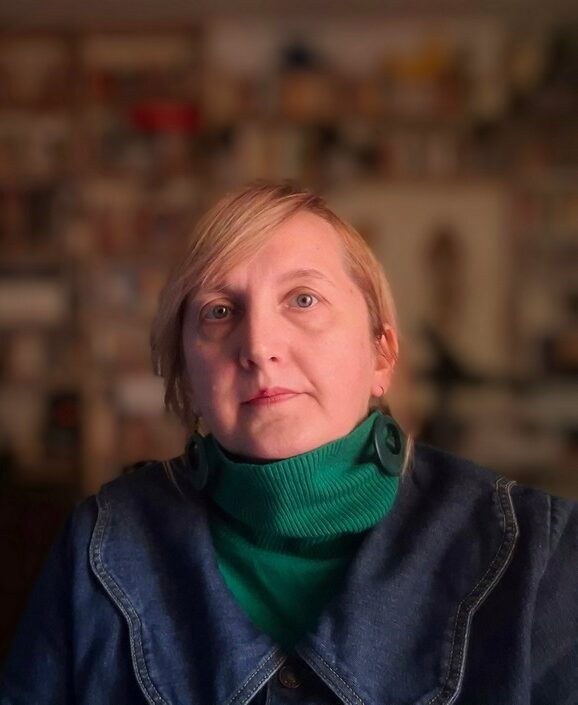
About the author
Lidija Pisker is an award-winning journalist, artist and cultural practitioner living and working between the Balkans and Italy. Her work explores memory, ageing, migration, identity and belonging through participatory storytelling, sound mapping, board games, and participatory artistic interventions.