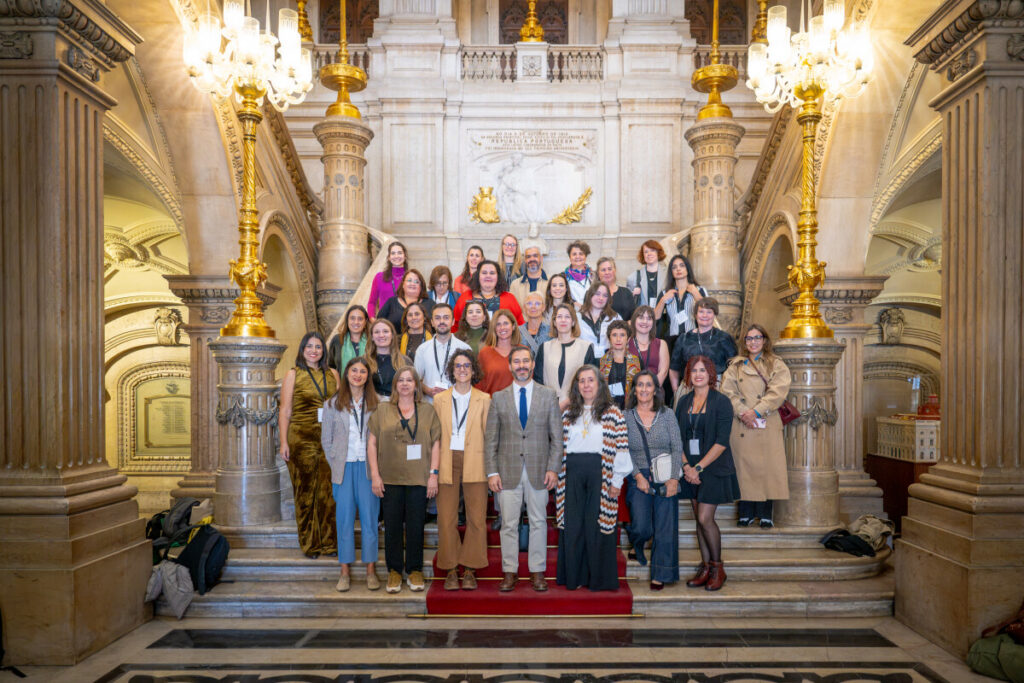
Lisbon welcomed 19 participants during a European Heritage Hub Peer-Learning Visit from 4-6 November, exploring how community memories, oral histories and cultural heritage initiatives can strengthen social cohesion, foster intergenerational exchange and reinforce people’s sense of belonging.
Hosted by the City of Lisbon and organised in collaboration with Hub partner Eurocities, the visit focused on the municipal Memories of Lisbon Programme (Programa Memórias de Lisboa), selected as one of the Hub’s 10 Local Good Practices. The programme was led by Memory and Intangible Cultural Heritage Unit representatives Alexandra Aníbal and Mafalda Seoane.
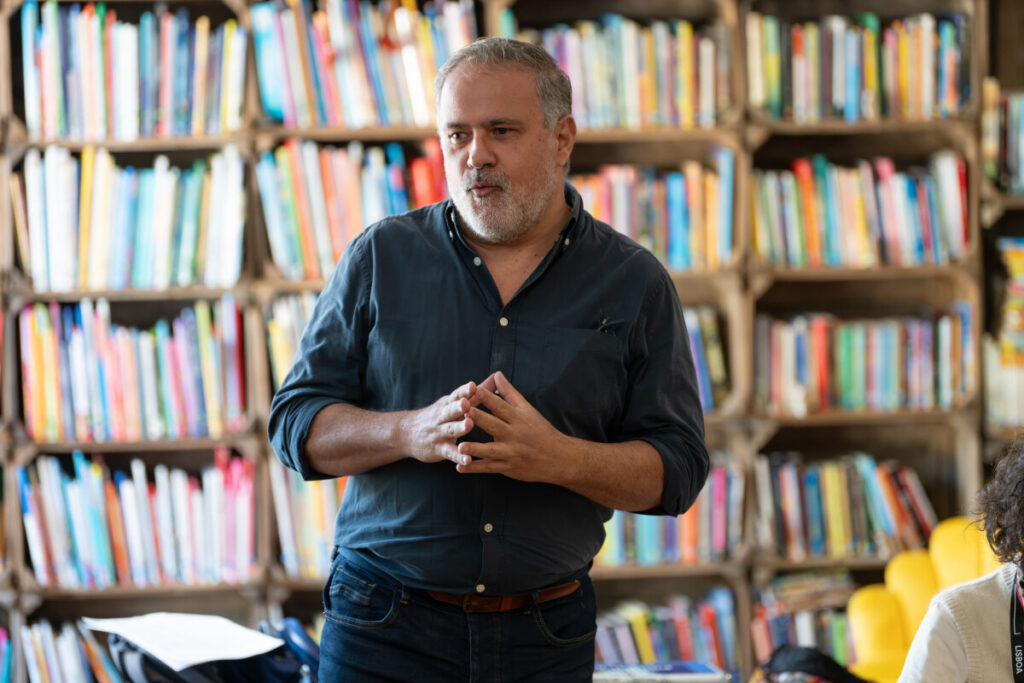
The Memories of Lisbon Programme initiative connects a local older generation of storytellers with young people who interview, film and edit their testimonies about life in Lisbon — demonstrating how personal stories and local heritage can become powerful tools for community engagement, inclusion and cultural participation.
Discovering Lisbon’s heritage places
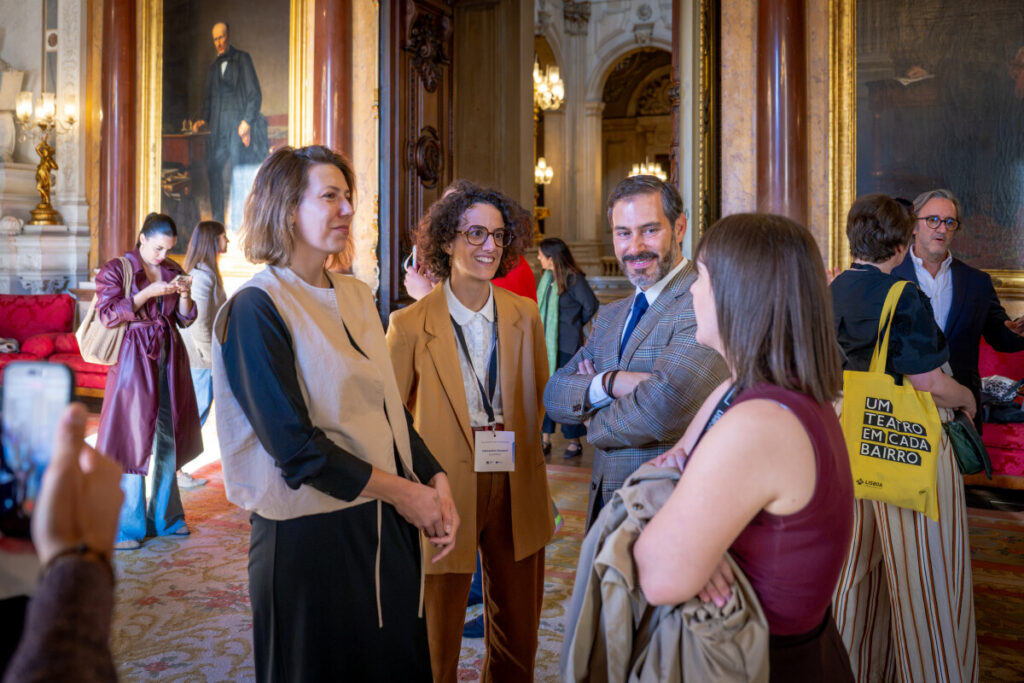
The Peer-Learning Visit programme opened at Lisbon City Hall with remarks from representatives of the municipality, Europa Nostra and Eurocities, highlighting the role of cultural heritage in building inclusive and sustainable cities.
Carlos Moedas, Mayor of Lisbon, welcomed participants to the city and gave them added historical context about the City Hall, highlighting the city’s commitment to cultural heritage. Lisbon will host the 2028 European Cultural Heritage Summit, organised by Europa Nostra, also in its capacity as Project Leader of the European Heritage Hub.
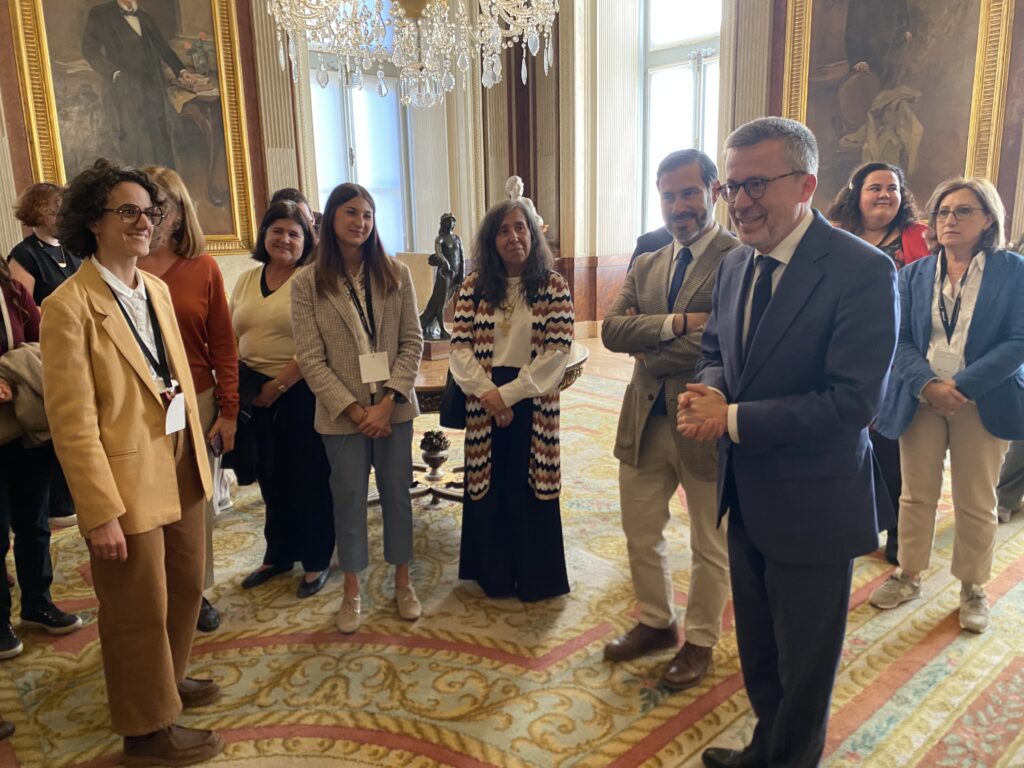
Diogo Moura, Councillor for Culture, Economy and Tourism at Lisbon City Council, reflected on the human dimension of heritage: “I believe there is something particularly meaningful about welcoming you to the City Hall today, because heritage is not only about buildings and monuments, it is also about people, events, experiences and the memories that give meaning to places.”
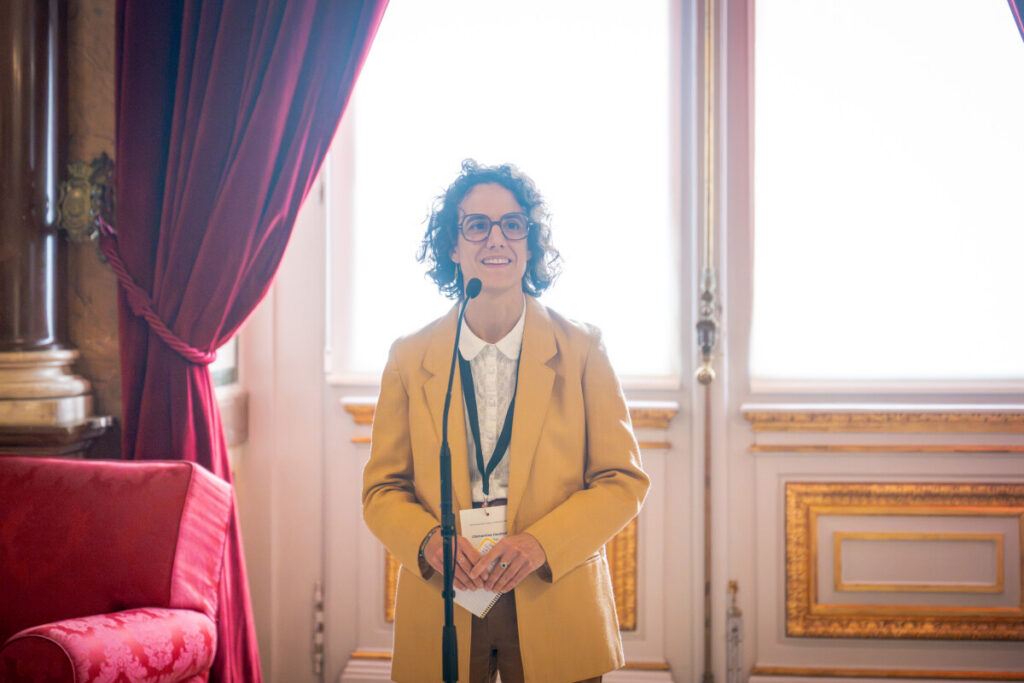
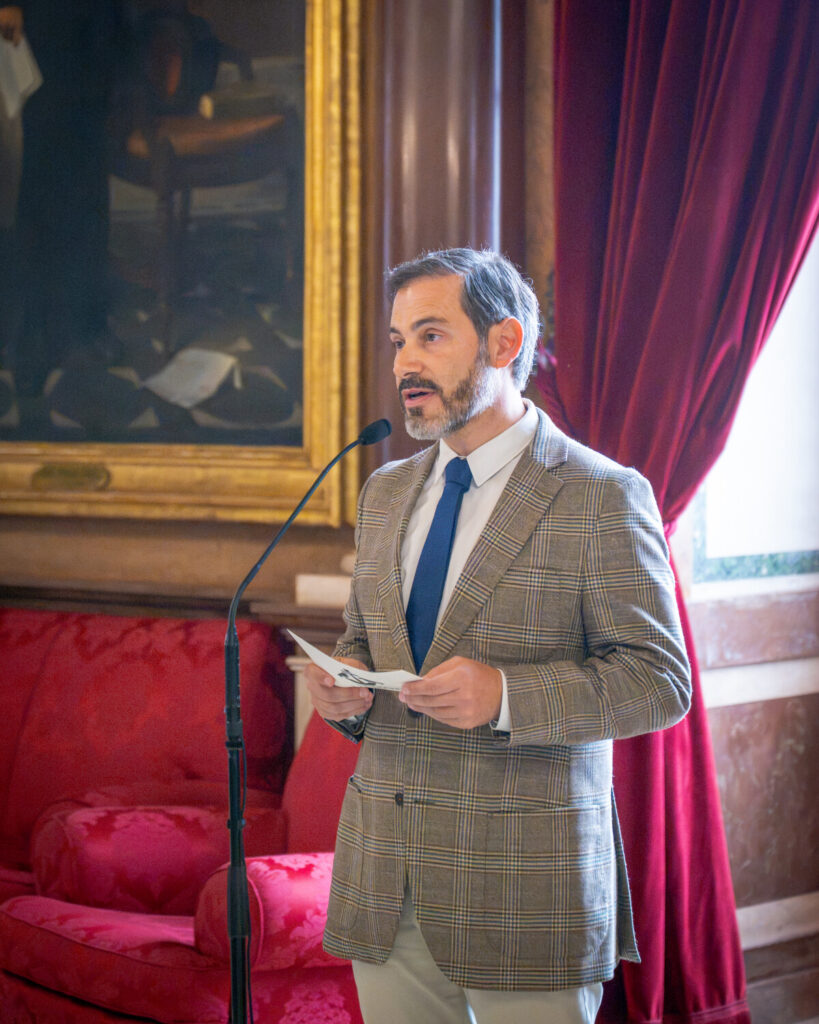
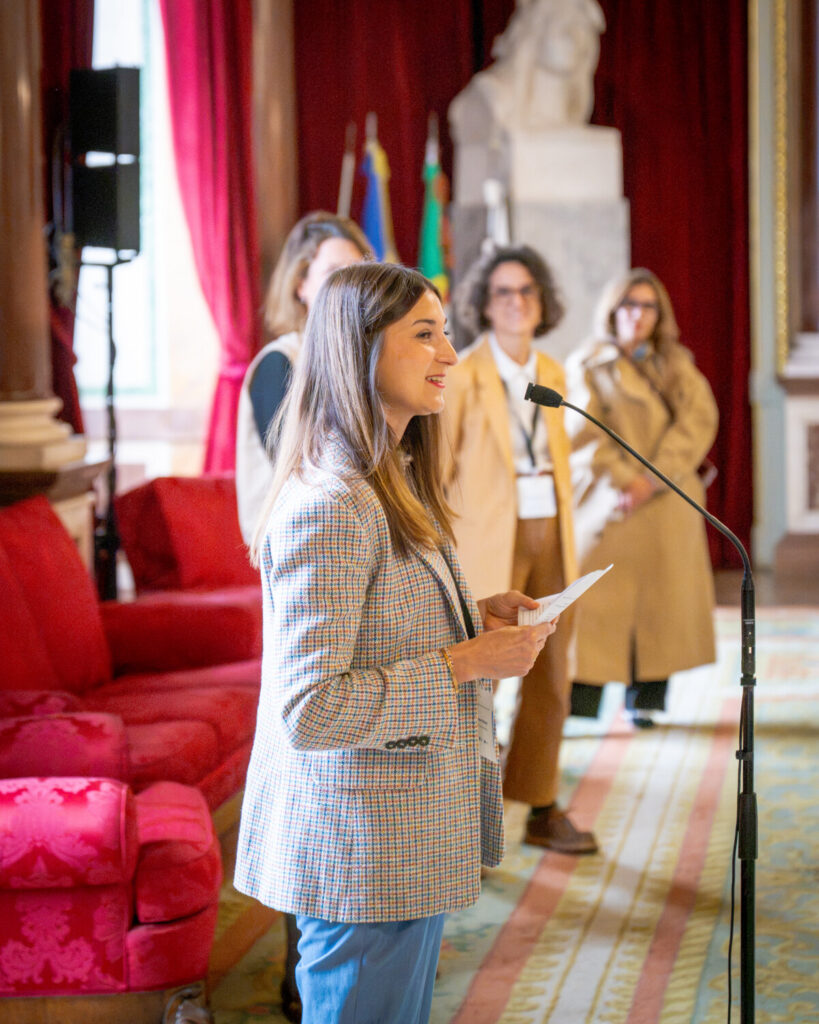
Representing the Hub, Project Manager Manon Richard then highlighted Lisbon’s longstanding engagement with the initiative: “The City of Lisbon has been an associate partner of the European Heritage Hub since the very beginning, but also a valued partner of the Lisbon City Hub, operated by the Centro Nacional de Cultura, and its longstanding participation is very meaningful to us.”
Turning to the wider role of culture in urban development, Clémentine Daubeuf, Project Coordinator in the Culture and Democracy team at Eurocities, noted: “At Eurocities, our mission is to make cities places with quality of life where everyone can thrive and envision a sustainable future, and culture is very much a part of this.”
Echoing this, Iwona Łopacińska, Project Coordinator at Eurocities, praised Lisbon’s contribution: “Since the beginning, Lisbon has been so active in showing us how cultural heritage can really connect inclusive and sustainable policies.”
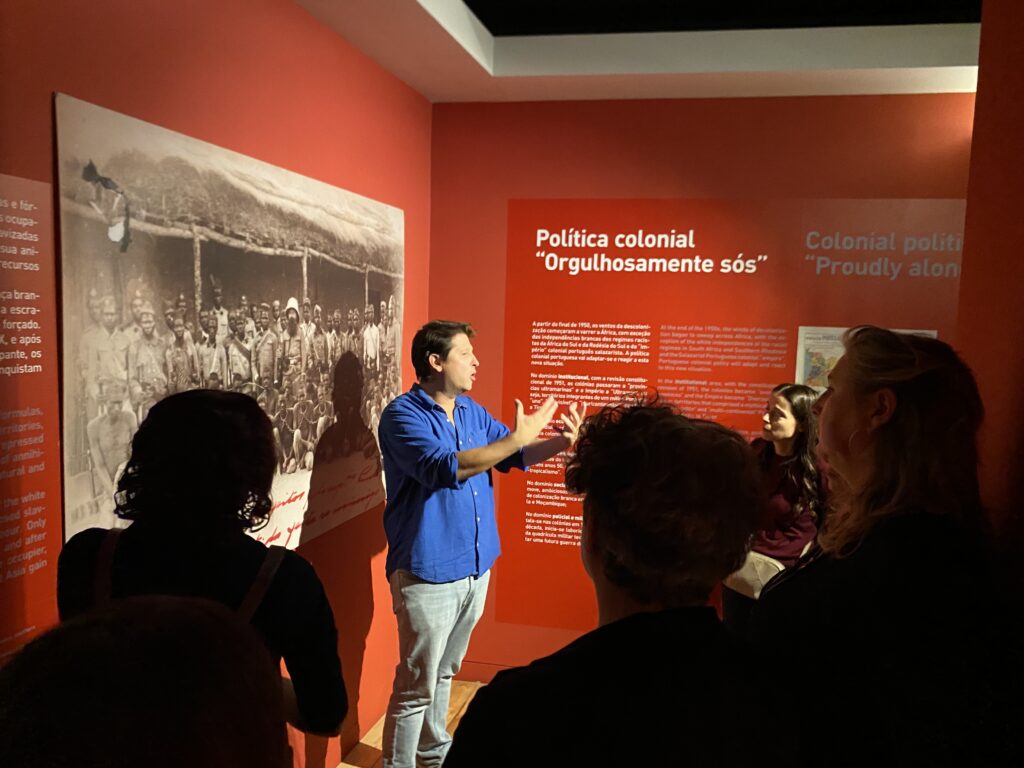
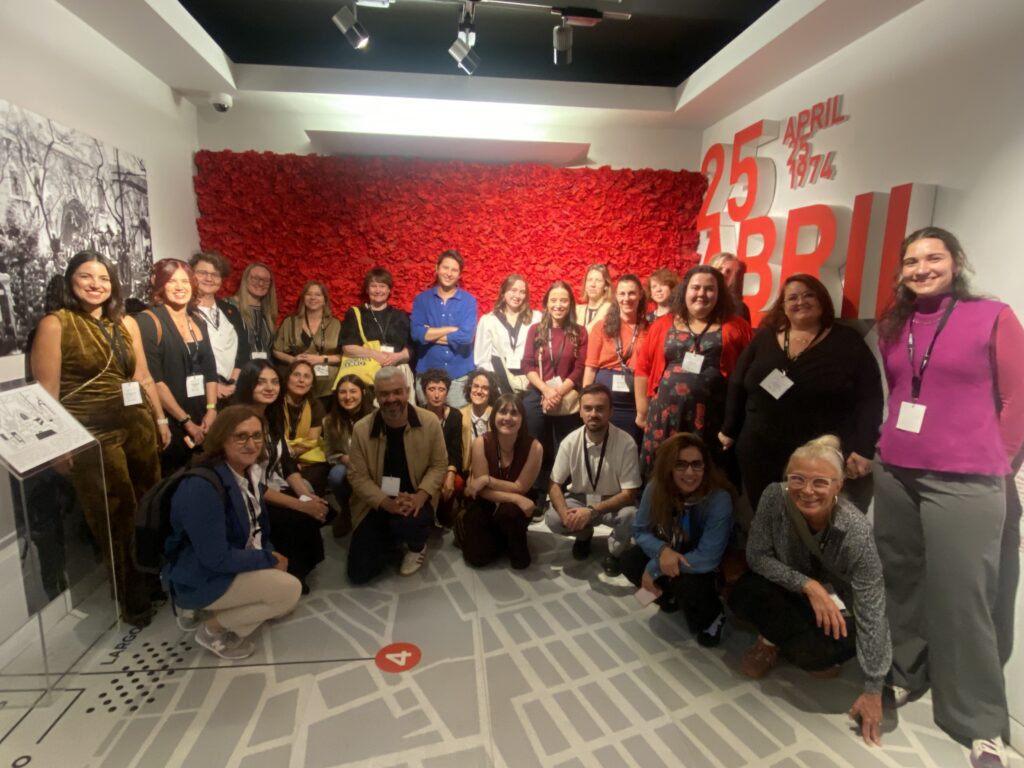
Participants then visited the Aljube Museum – Resistance and Freedom, which was formerly a prison during Portugal’s dictatorship, from 1933 to 1974. Through a guided tour of its permanent exhibition, the group explored the realities of Portuguese life during the dictatorship and the momentum that led to the 1974 Carnation Revolution.
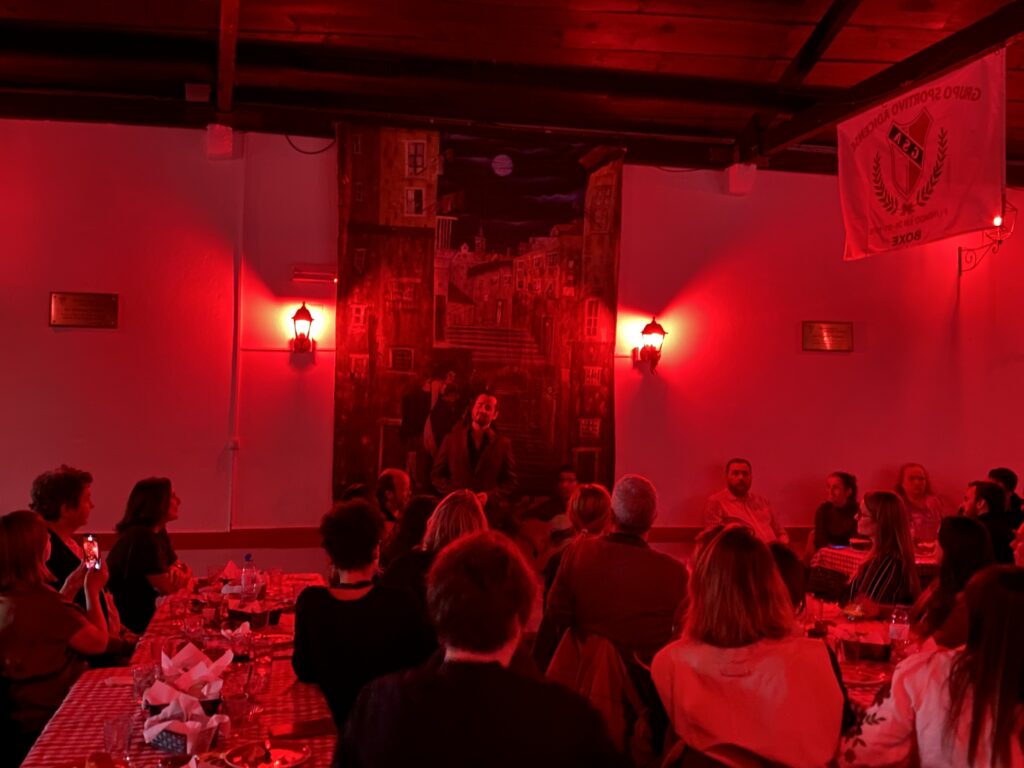
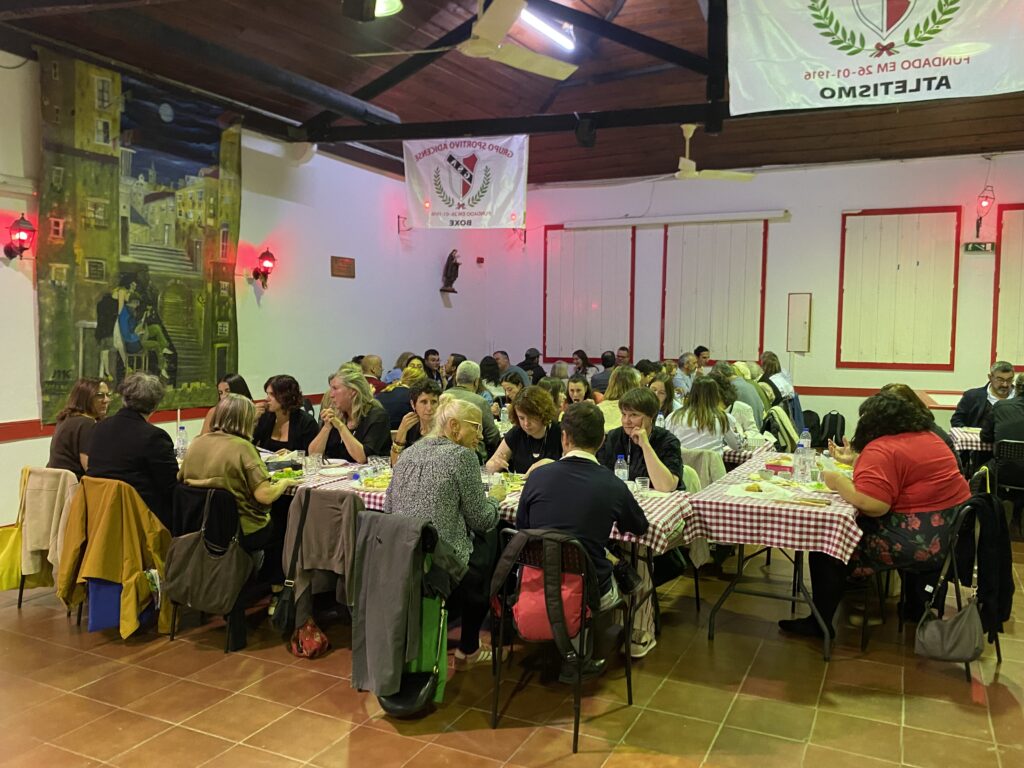
The first day concluded with an opportunity to experience Lisbon’s cultural identity through one of its historic neighbourhoods, Alfama, and an evening of traditional Fado music held at a neighbourhood association Grupo Sportivo Adicense, where it continues to be practised as a social and cultural tradition.
Bringing neighbourhood stories to life
On the second day, participants travelled to another Lisbon neighbourhood — Carnide — to discover how local memories can be collected and shared through community-based initiatives.
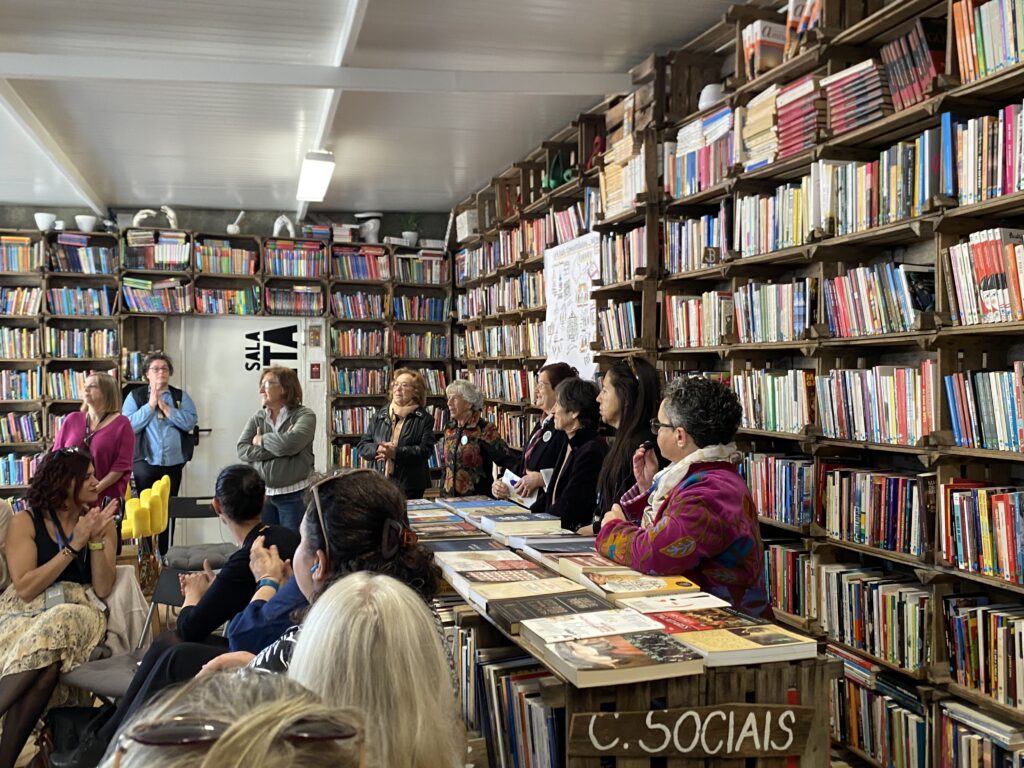
The day began with presentations at Boutique da Cultura — a nonprofit cultural association and space in Carnide. Developed through a partnership between Lisbon City Council, Carnide Parish Council and the Boutique association, it comprises performance and training venues, an arts incubator and a bookshop.
Paulo Quaresma, Executive Director of Boutique da Cultura, highlighted the Carnide Solidarity Bookshop (Livraria Solidária de Carnide), which operates inside the store and features books for sale ranging from 1 to 5 euros, with all proceeds going toward cultural initiatives developed by Boutique da Cultura. It has been part of the municipal A Theatre in Every Neighbourhood Network since 2023, providing an example of how cultural policy can be developed through a partnership with a locally rooted organisation.
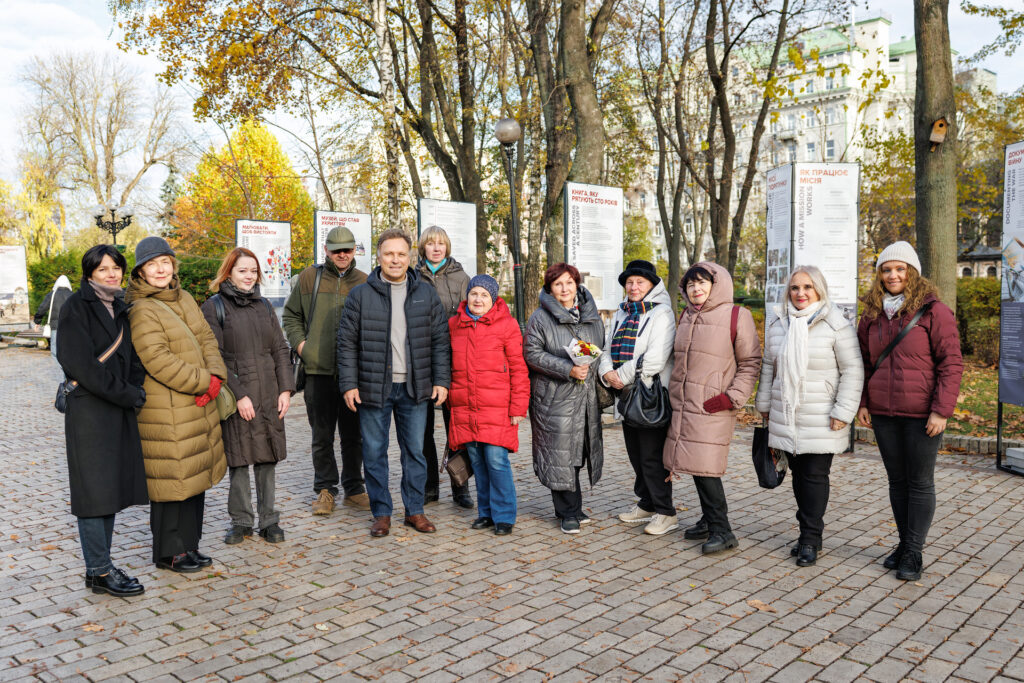
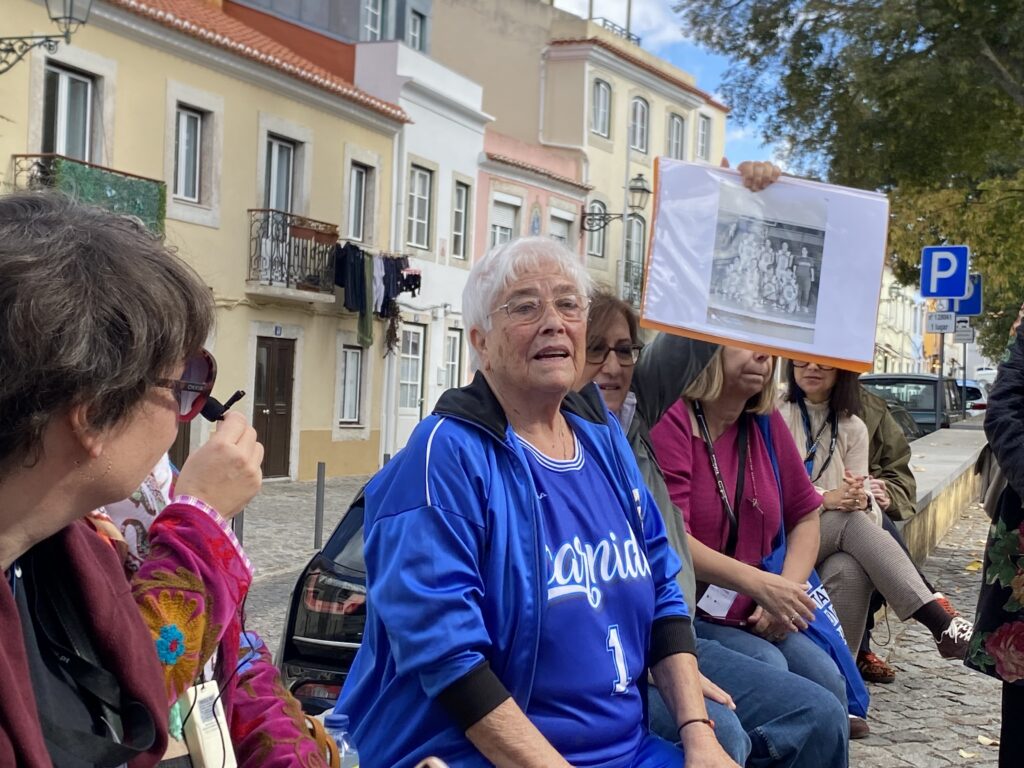
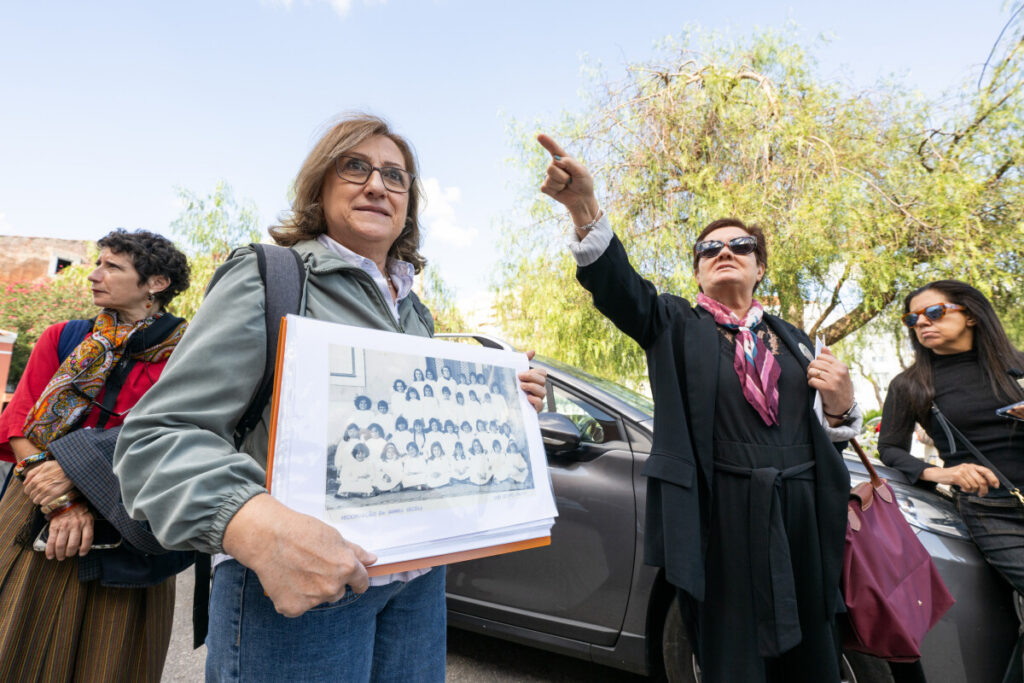
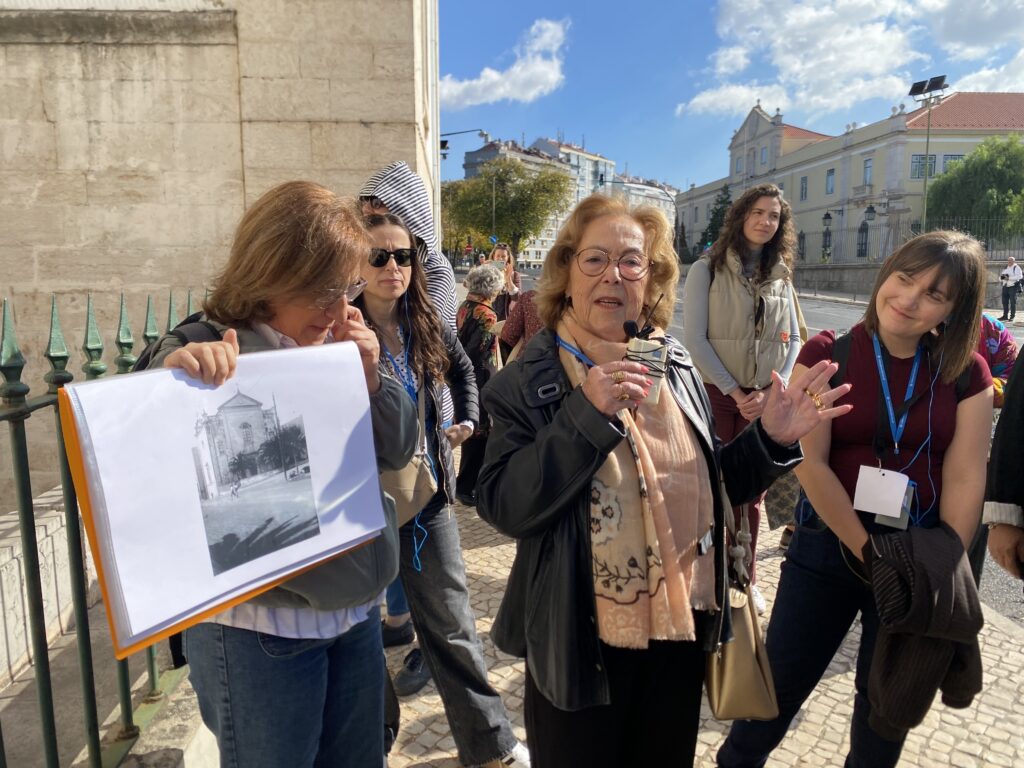
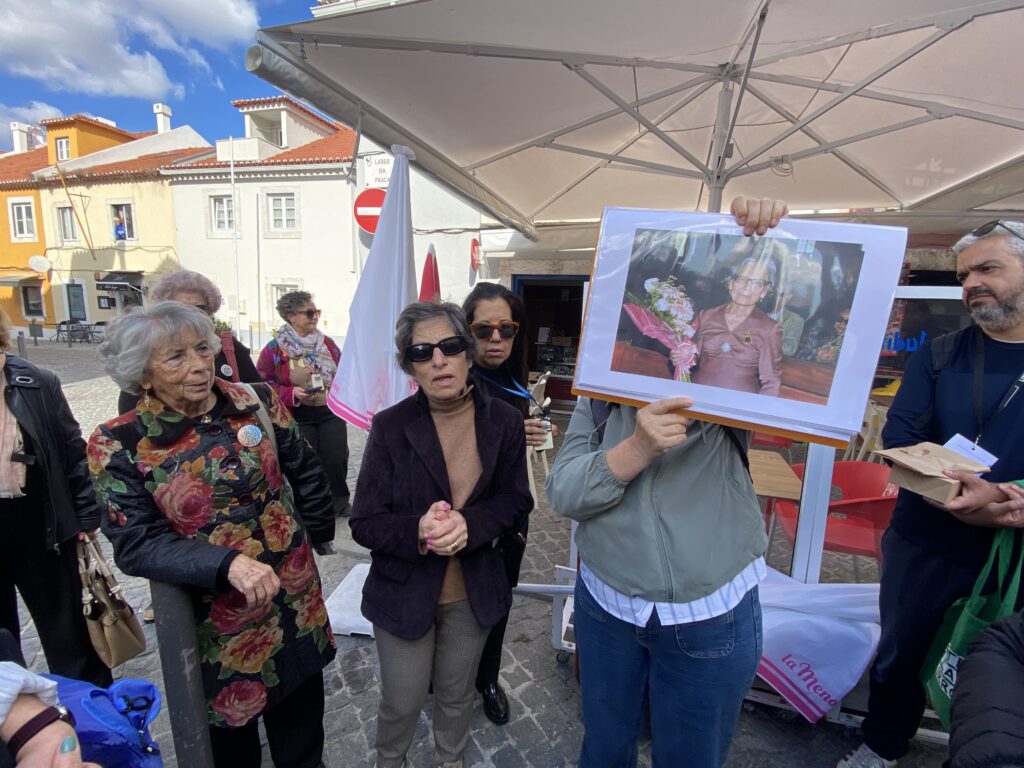
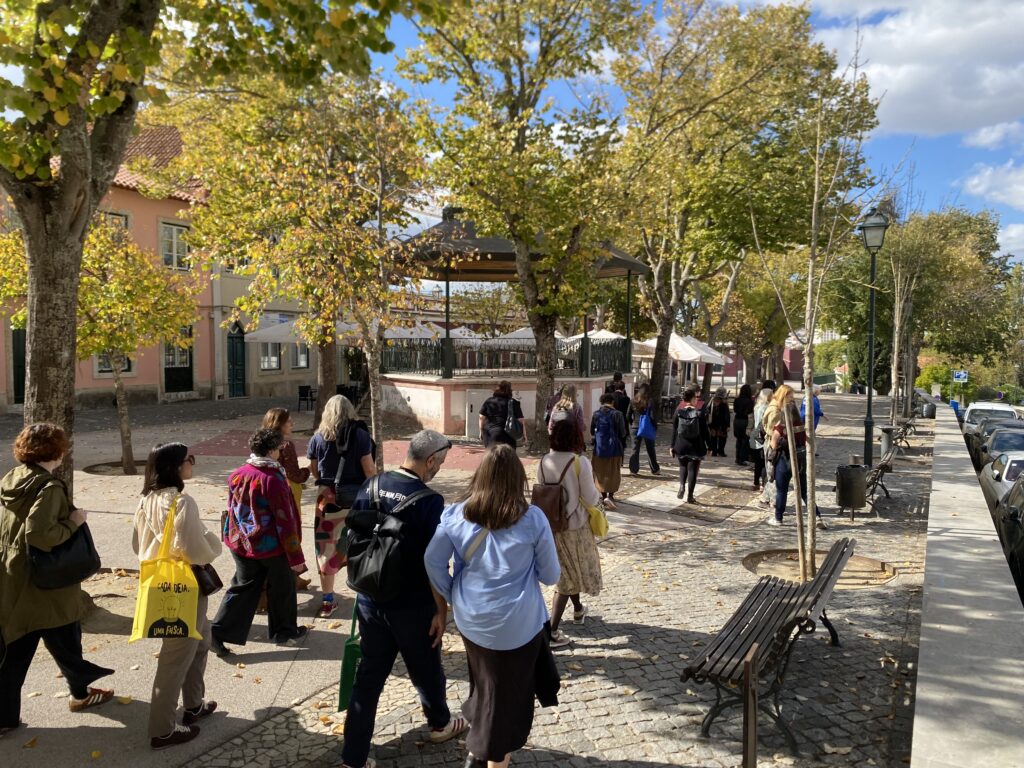
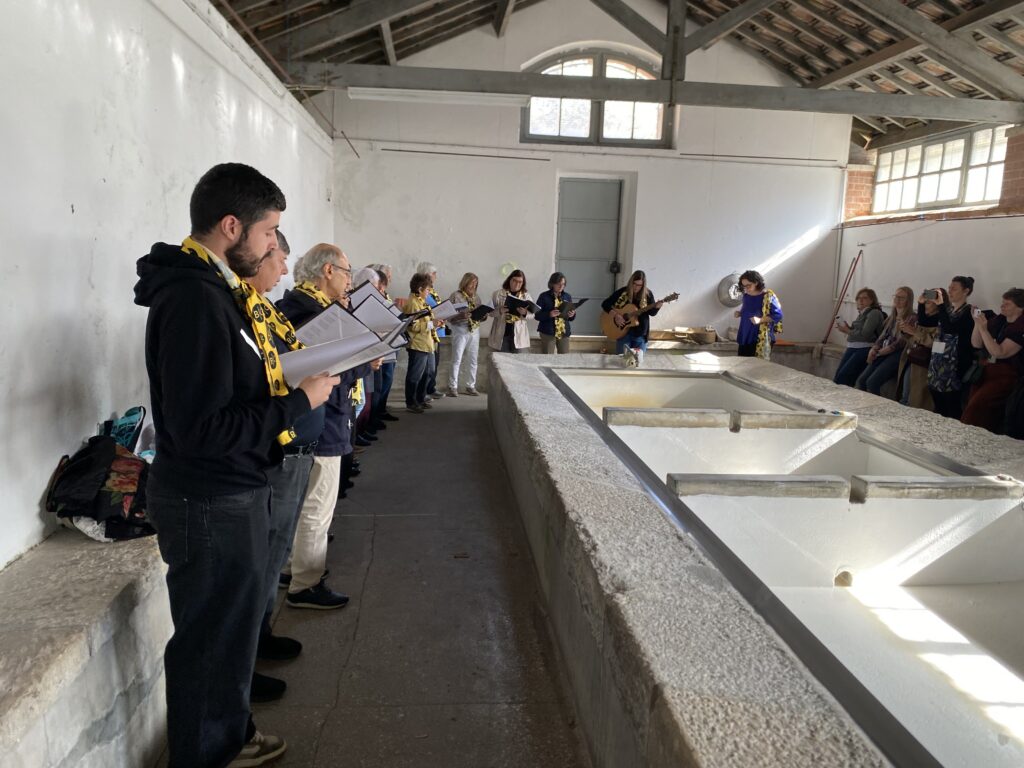
Afterwards, the peer-learning group discovered Carnide with participants of the Memories of Lisbon Programme as their guides, exploring different impactful locations from the guides’ memories — from a local bakery operating since 1923 to an administrative building that was once a former local school, to a sports club where a participant became one of the first women basketball players in Portugal. The tour ended at the historic laundry building of Carnide, where a local choir featuring Memories of Lisbon participants gave a performance.
The visit continued in Alvalade, to the Vidas e Memórias de Bairro de Alvalade and the Community Bookshelf (Estante Comunitária) at Coruchéus Library. It forms part of the Coruchéus Complex, an artistic centre opened by Lisbon City Council in 1971, designed to bring together studios for visual artists within an urban setting. Today it is home to around 50 studios, the library, arts gallery, gardens, and A Theatre in Every Neighbourhood — Coruchéus.
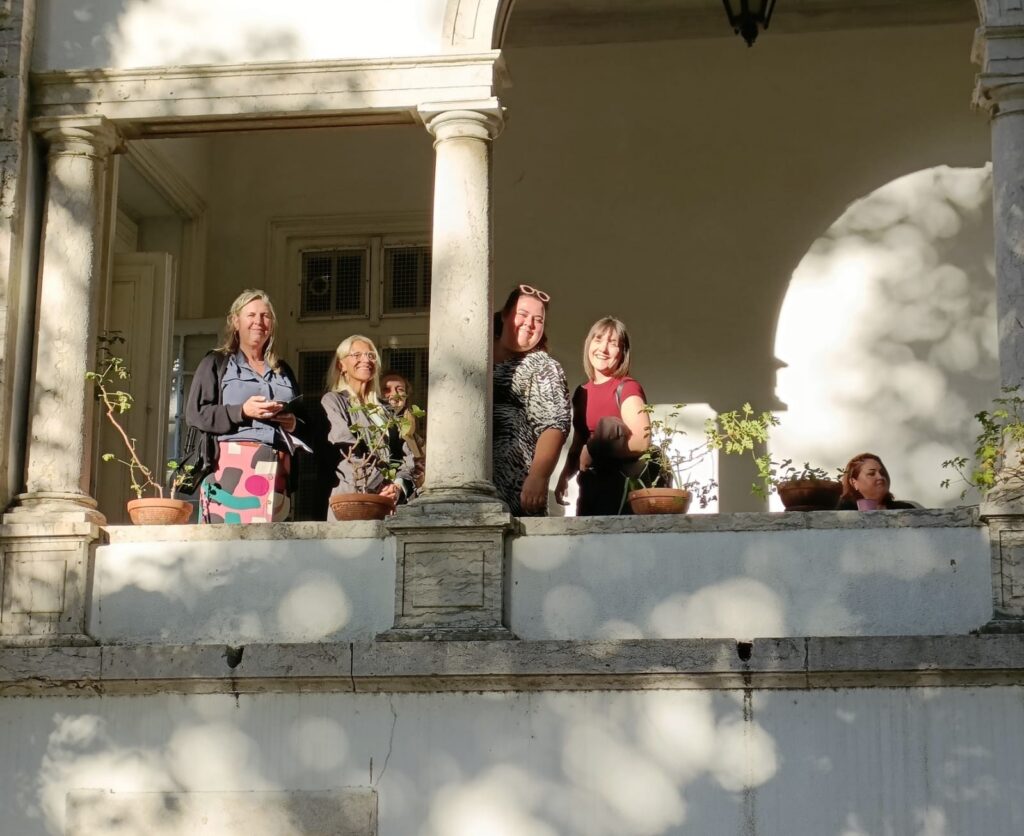
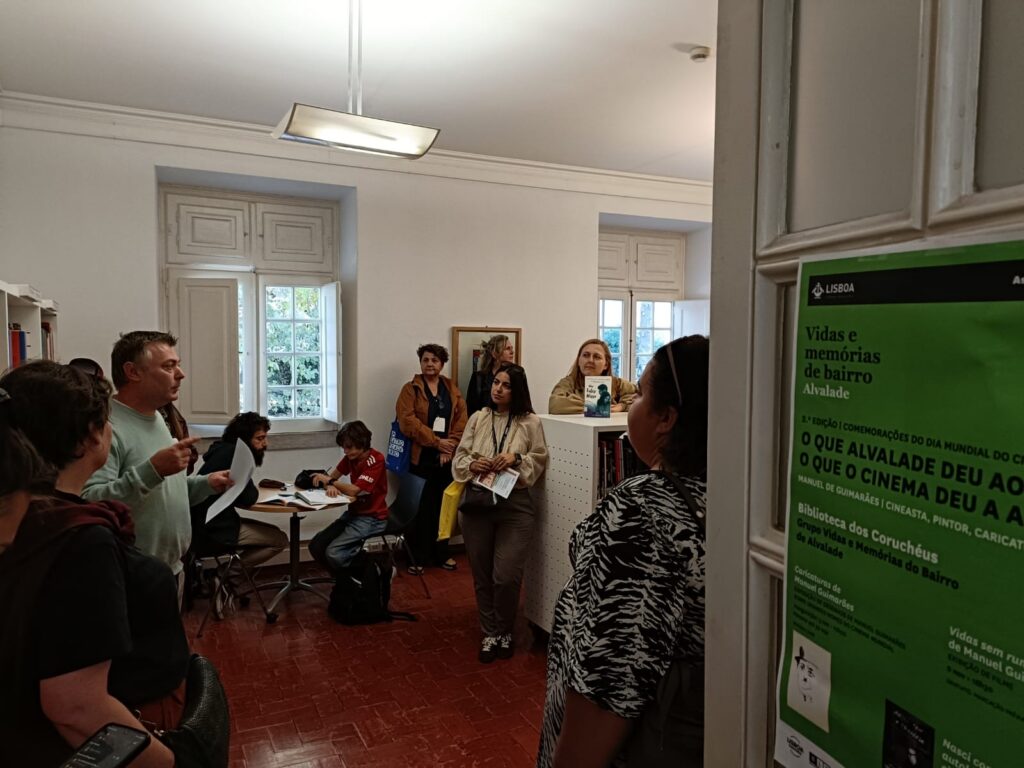
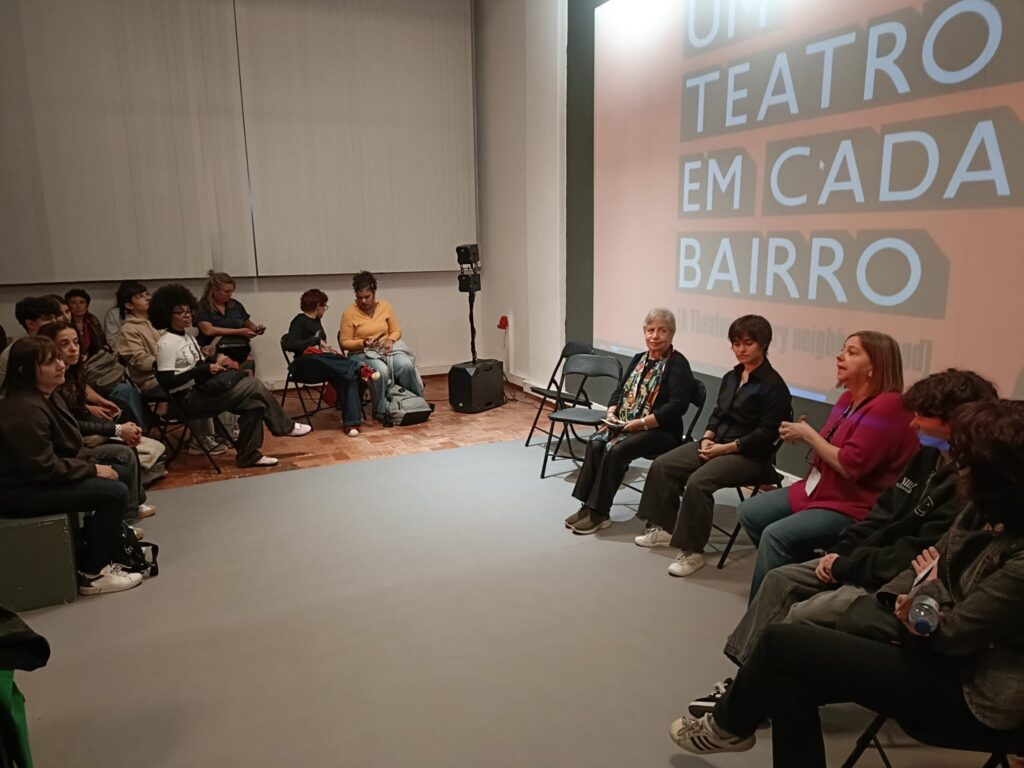
The latter belongs to a municipal network which promotes cultural rights across the city through open, transdisciplinary cultural spaces developed in close connection with local communities and organisations. Such a model aims to reduce inequalities in access to culture, encourage co-programming, and reinforce local cultural capacity. These initiatives altogether demonstrate how libraries, cultural spaces and community participation can provide opportunities for residents to share memories, practise creativity, preserve local knowledge and strengthen connections between generations.
A particularly engaging part of the programme focused on animated films created from testimonies collected through Memories of Lisbon, where the City Directorate for Culture, interviewed residents and students who animated the films presented their work. By transforming personal accounts into 2D animations, the initiative offers creative and accessible ways of communicating individual experiences and safeguarding intangible heritage. Young people underlined the bonding experience of such work as well as how it has helped them to pass from theory to practice.
In the evening, participants also had the opportunity to attend the Helena Vaz da Silva European Award Ceremony at the Calouste Gulbenkian Foundation.
From inspiration to action
The final day began at Palácio Galveias Library, where the peer-learning group received a tour of the library and explored the interactive Memórias de Lisboa travelling exhibition which features video testimonies and archive photographs.
The visit concluded with a peer-learning and replication workshop, bringing together the insights gathered over the previous days. Participants exchanged experiences and discussed how the approaches encountered in Lisbon could be adapted to their own local contexts.
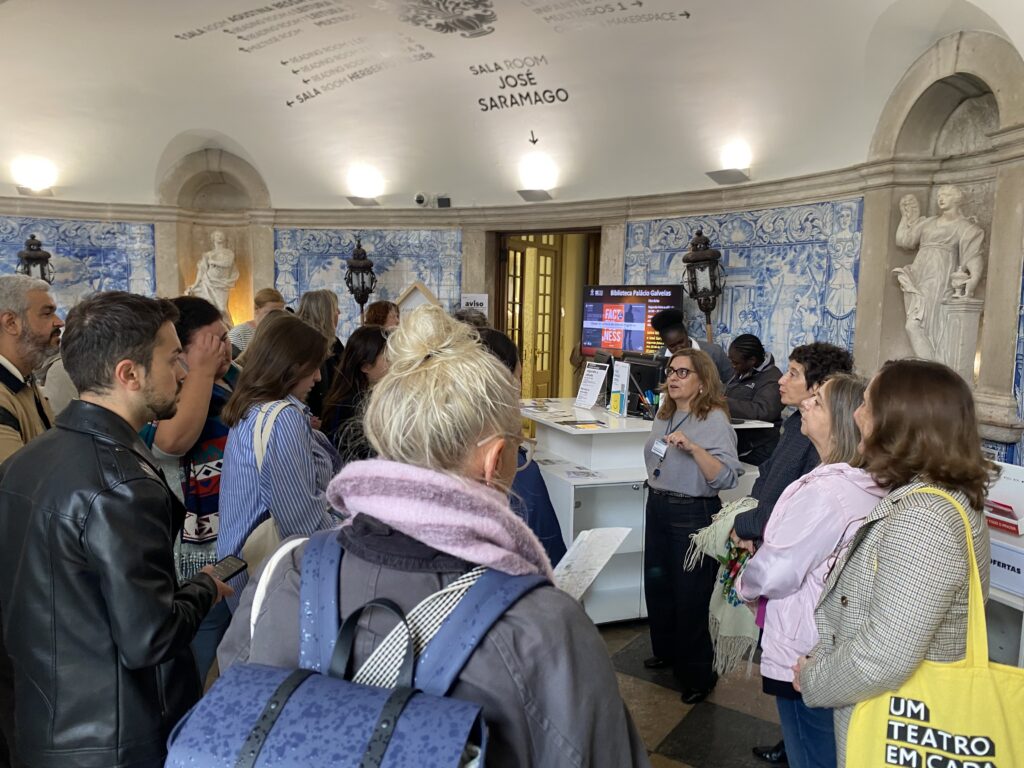
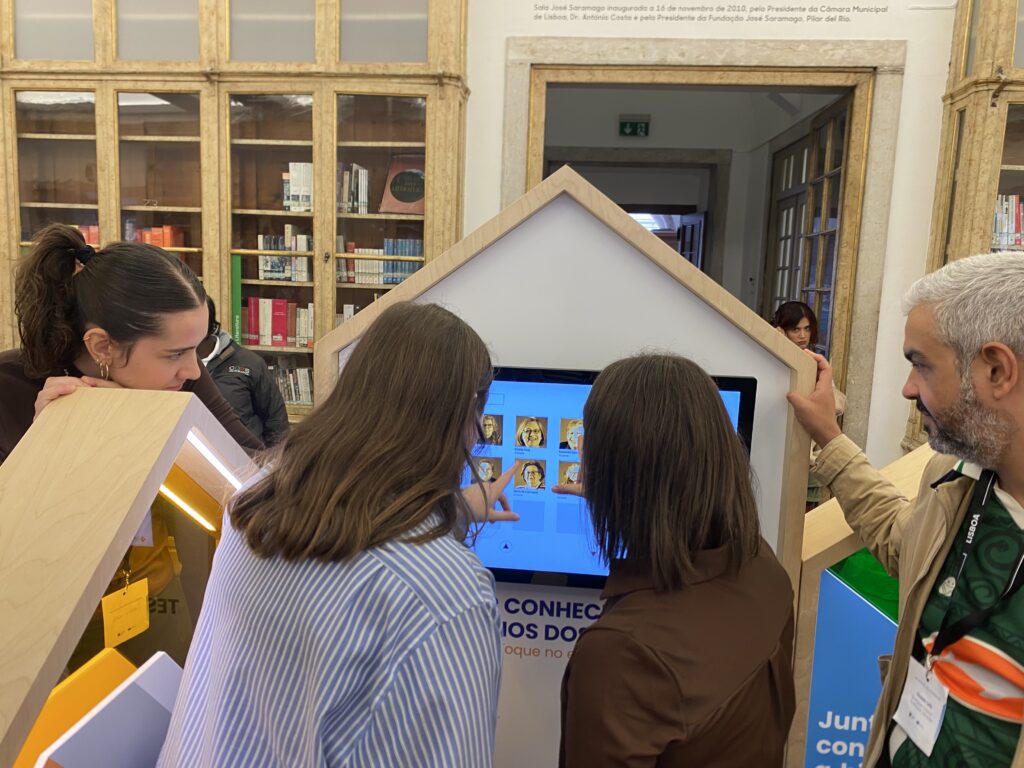
Discussions focused on methodologies, implementation challenges, partnership models and opportunities to strengthen community participation in cultural heritage initiatives and policymaking. The intergenerational collaboration embedded into the Memories of Lisbon Programme served as particular inspiration for the participants.
Following the concluding session, a group of 10 peer-learning participants joined the European Heritage Hub for a guided tour, organised by Hub partner Centre Européen de Musique, of the National Music Museum of Mafra, home to one of the most important collections of musical instruments from the 12th to the 21st century. Re-opened in the unique location of a UNESCO World Heritage Site — The Royal Building of Mafra — it offers an inspiring perspective on modern museology, historic displays, and contemporary music research practice.
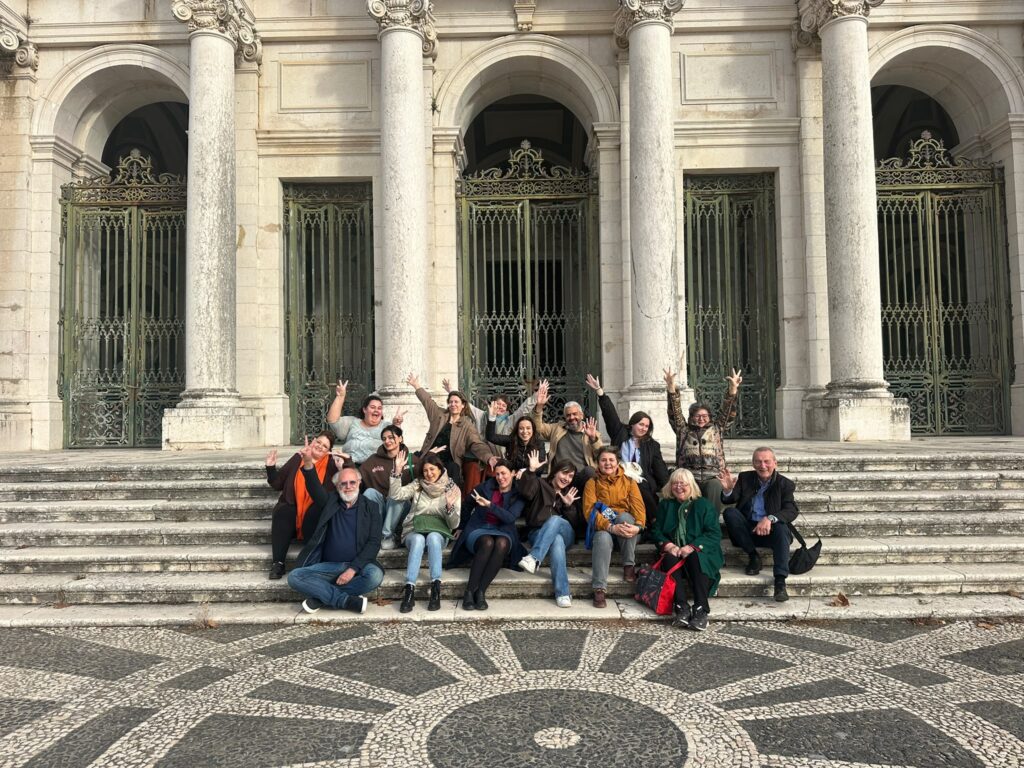
Over three days, the Peer-Learning Visit highlighted the potential of Memories of Lisbon’s intergenerational approach to preserving oral history to inspire other European cities and regions. By bringing together local experiences, cultural initiatives and peer exchange, the visit reinforced the importance of participatory heritage practices in building more inclusive, connected and sustainable communities across Europe.