The European Heritage Hub’s official satellite event of the New European Bauhaus Festival, “Cultural Heritage as a Resource for Energy-Efficient and Inclusive Renovation and Affordable Housing Policies”, brought together policymakers, heritage experts, architects, local authorities and finance professionals to explore how cultural heritage can contribute to energy-efficient renovation, affordable housing and climate resilience.
The event included the participation of Hub consortium partners Eurocities and ICLEI, and members of the European Heritage Alliance, including the Architects’ Council of Europe (ACE) and the International Council on Monuments and Sites (ICOMOS). It built on the Hub’s December 2025 Heritage Dialogues webinar, “Cultural Heritage and Building Renovation: Aligning the EPBD and Affordable Housing Objectives”.
Opening the conversation
Manon Richard, Project Manager of the European Heritage Hub, opened the event, underlining its threefold goals of showcasing practical, heritage-led solutions for energy performance, encouraging a meaningful exchange between stakeholders on sustainable renovation, and informing future policy by promoting greater coherence between climate, housing and cultural heritage agendas.
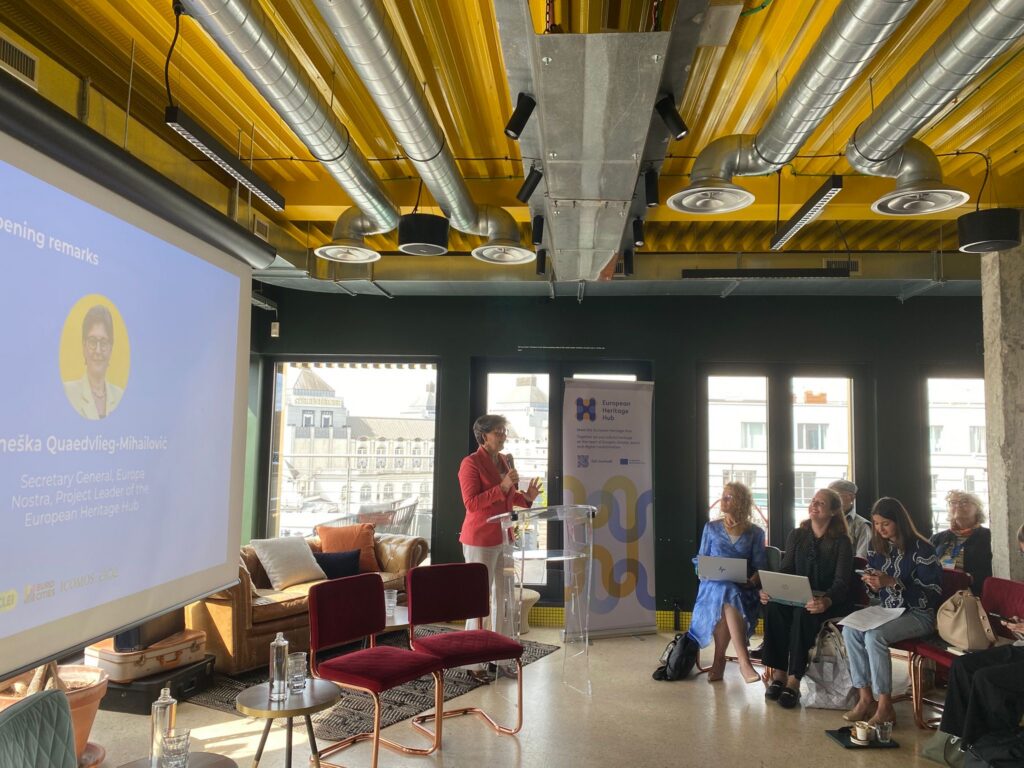
In her opening remarks, Sneška Quaedvlieg-Mihailović, Secretary General of Europa Nostra and Project Leader of the European Heritage Hub, stressed the need to position cultural heritage as a key resource for delivering a more sustainable, inclusive and beautiful Europe, and applauded European Commission President Ursula von der Leyen’s pioneering vision within the New European Bauhaus movement.
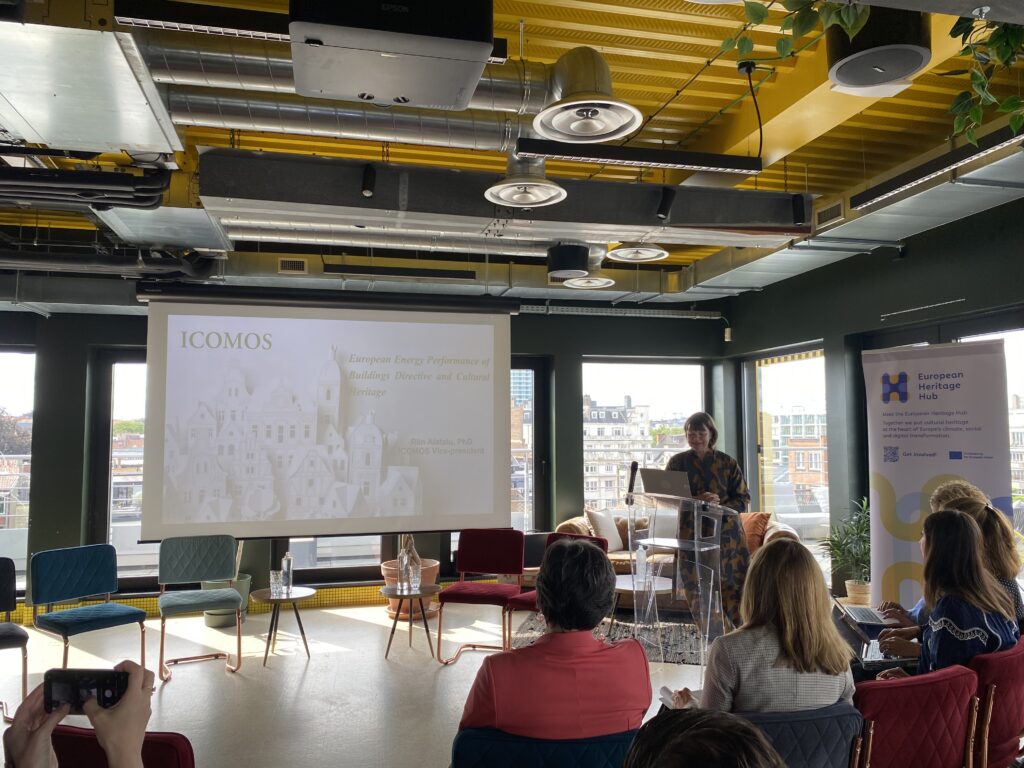
In a keynote speech, Riin Alatalu, Vice-President of ICOMOS, highlighted the importance of recognising historic buildings as valuable existing resources and called for stronger integration of heritage expertise into energy policy discussions. Drawing on the recently published ICOMOS report on the implementation of the Energy Performance of Buildings Directive (EPBD), she focused on the need to better integrate cultural heritage into climate action through clearer regulations, improved data and expertise, stronger cross-sector cooperation, and greater support for adaptive reuse and innovative renovation approaches.
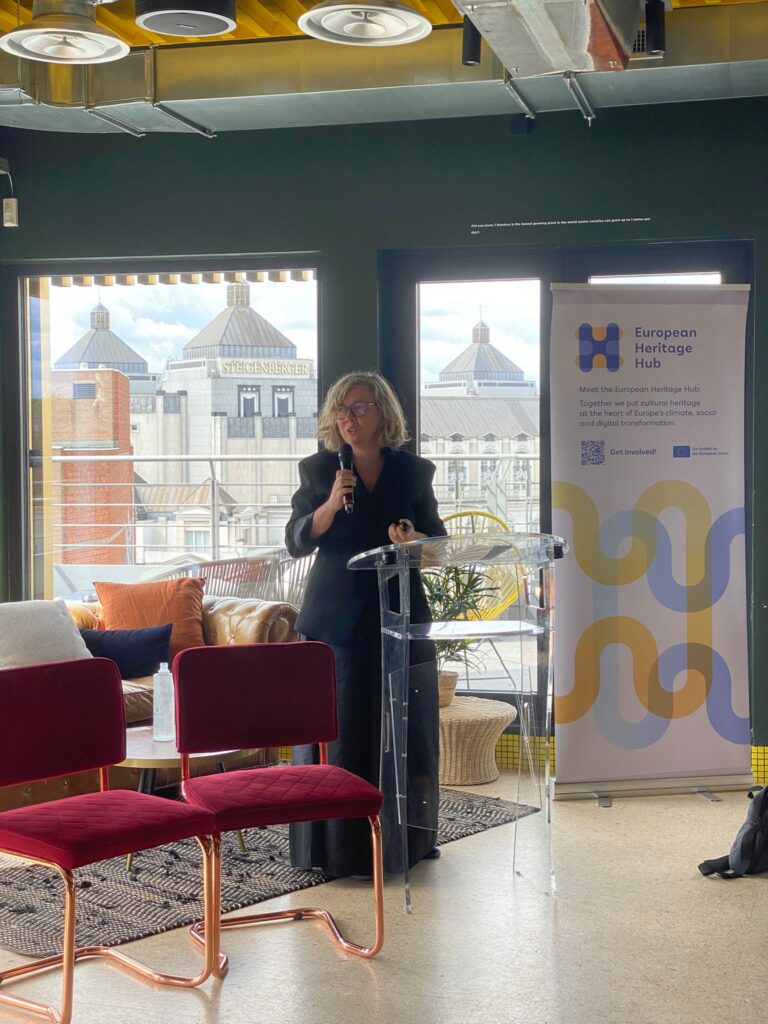
Ivana Katurić, Member of the European Commission’s Housing Advisory Board and Director of Urbanex, argued that heritage-led regeneration can play a central role in addressing Europe’s housing crisis while improving quality of life and urban resilience. She called for a shift away from short-term housing policies focused solely on increasing supply and stressed the importance of investing in existing buildings, neighbourhoods and infrastructure.
Linking heritage, housing and the New European Bauhaus
Special messages placed the discussion within the broader context of European policy priorities.
MEP Marcos Ros Sempere (S&D, Spain) underlined the relevance of cultural heritage to European Union policy, stating, “Cultural heritage is part of our competitiveness agenda …. We only will be competitive if we incorporate also our cultural heritage, our cultural values and our cultural history within the European Union.”
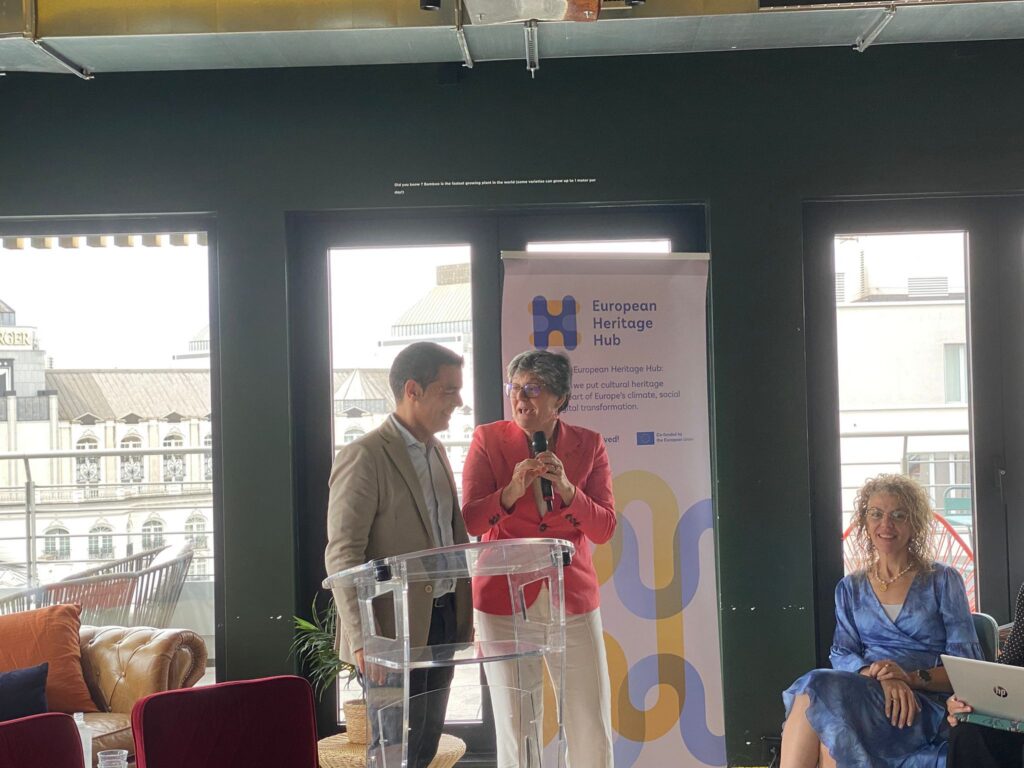
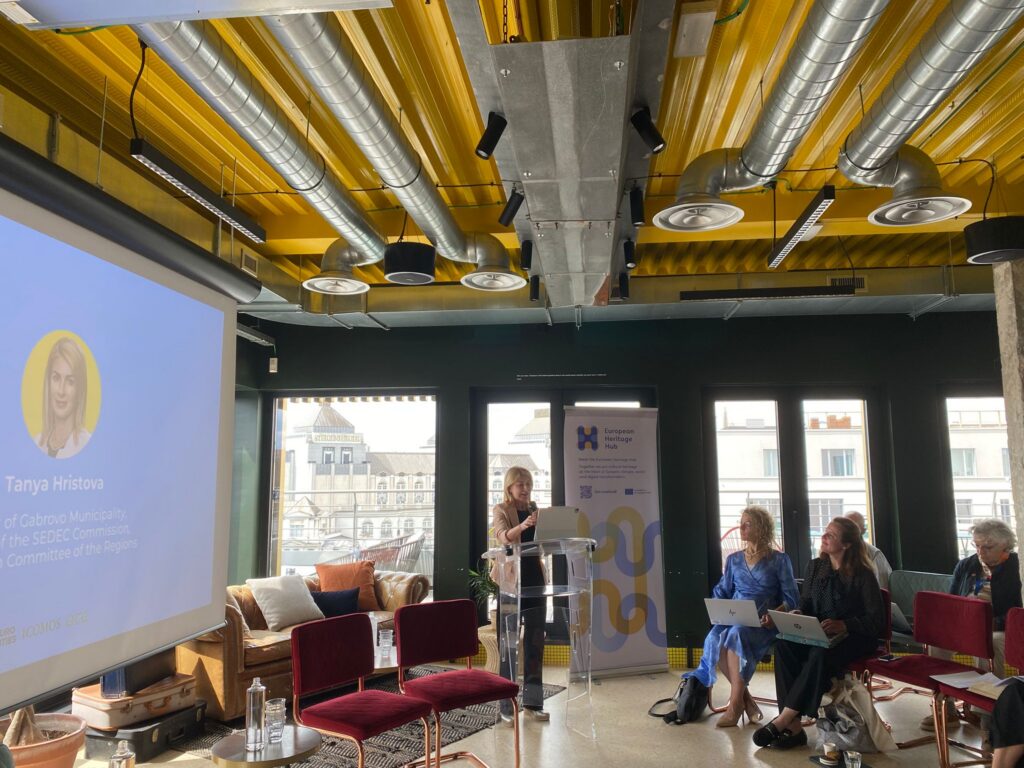
Tanya Hristova, Mayor of Gabrovo and Chair of the European Committee of the Regions’ SEDEC Commission, emphasised that “the most sustainable buildings are those that already exist”, positioning heritage as a source of social cohesion, identity and local resilience. Drawing on her experience as Mayor of Gabrovo, she demonstrated how heritage-led regeneration can strengthen communities and create a sense of belonging while supporting economic and environmental goals.
In a recorded message, Rudolf Kolbe, Vice-President of the European Economic and Social Committee’s Group of Civil Society Organisations and rapporteur on the implementation of the New European Bauhaus, called for stronger connections between European policy ambitions and civil society engagement.

Bridging policy and practice
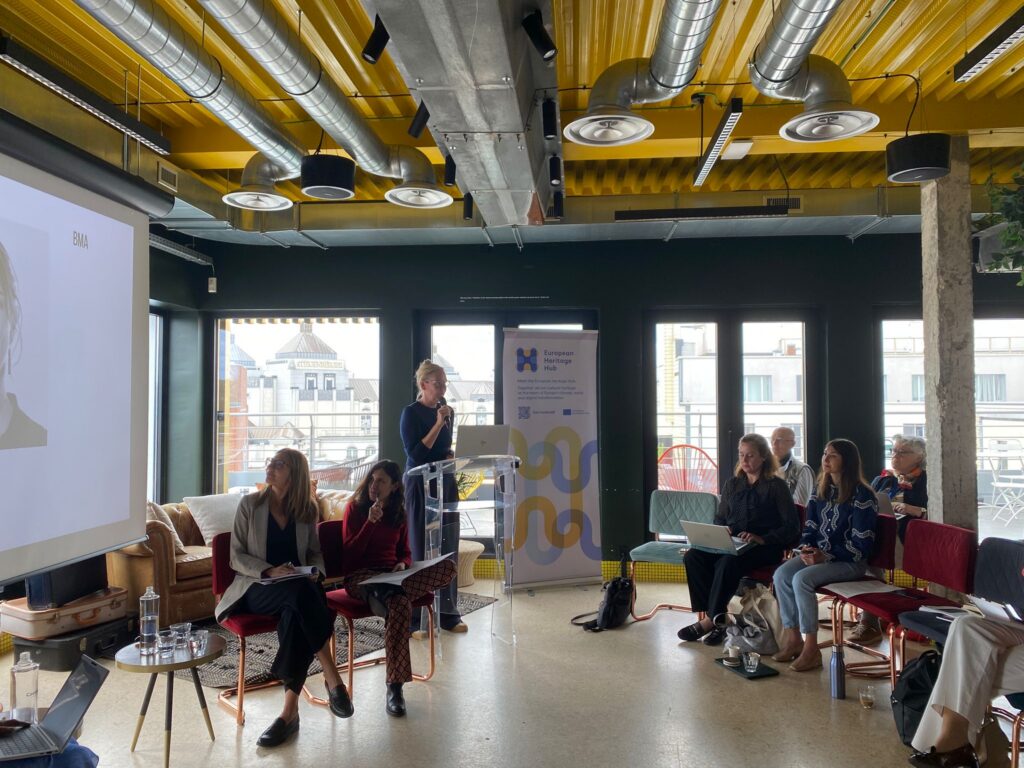
Moderated by Cristina Garzillo Leemhuis, Head of Socio-Cultural Transformation, ICLEI European Secretariat, the panel discussion showcased examples of adaptive reuse, circular construction and community-led regeneration.
Greta Tresserra, Chair of the Sustainability Working Group of the Architects’ Council of Europe, argued that Europe is lacking “renovation intelligence” and advocated for a shift from a “renovation wave” to a “renovation culture”, prioritising reuse and long-term value over demolition. She presented examples from across Europe demonstrating how adaptive reuse can simultaneously reduce carbon emissions, preserve cultural significance and contribute to affordable housing objectives.
Tine Vandepaer, Senior Brussels Bouwmeester Maître Architecte, presented Brussels’ “reuse first” approach, where demolition must be justified and embodied carbon and memory are considered together. She highlighted how the region is increasingly transforming existing office buildings into housing while preserving their architectural character.
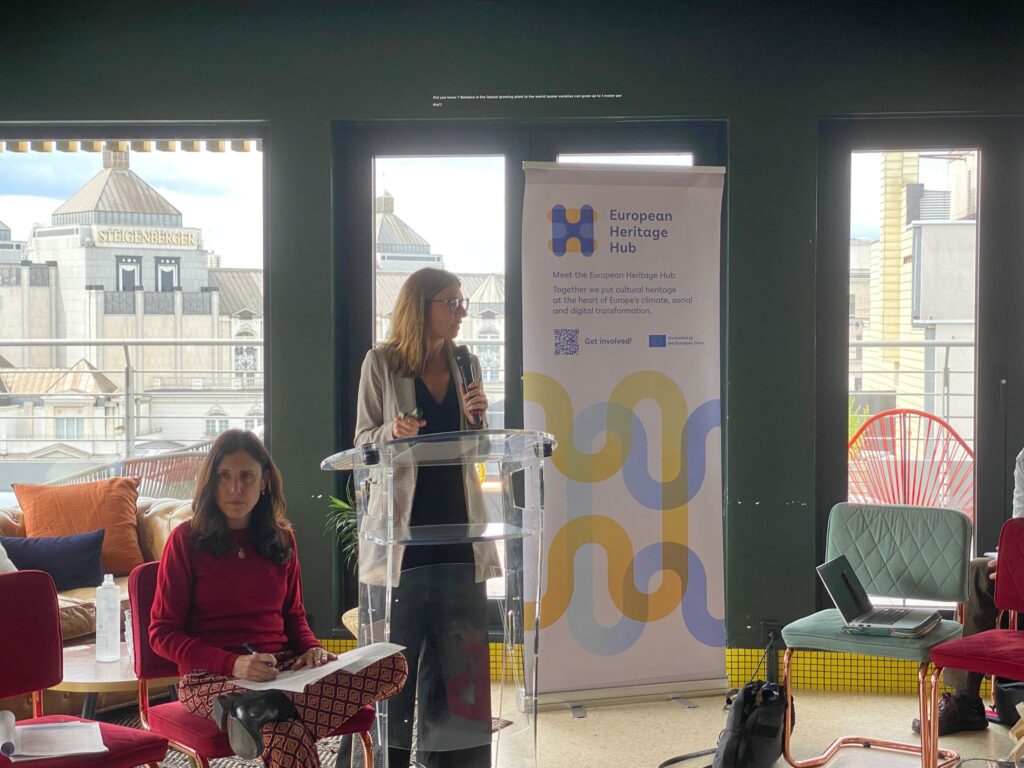
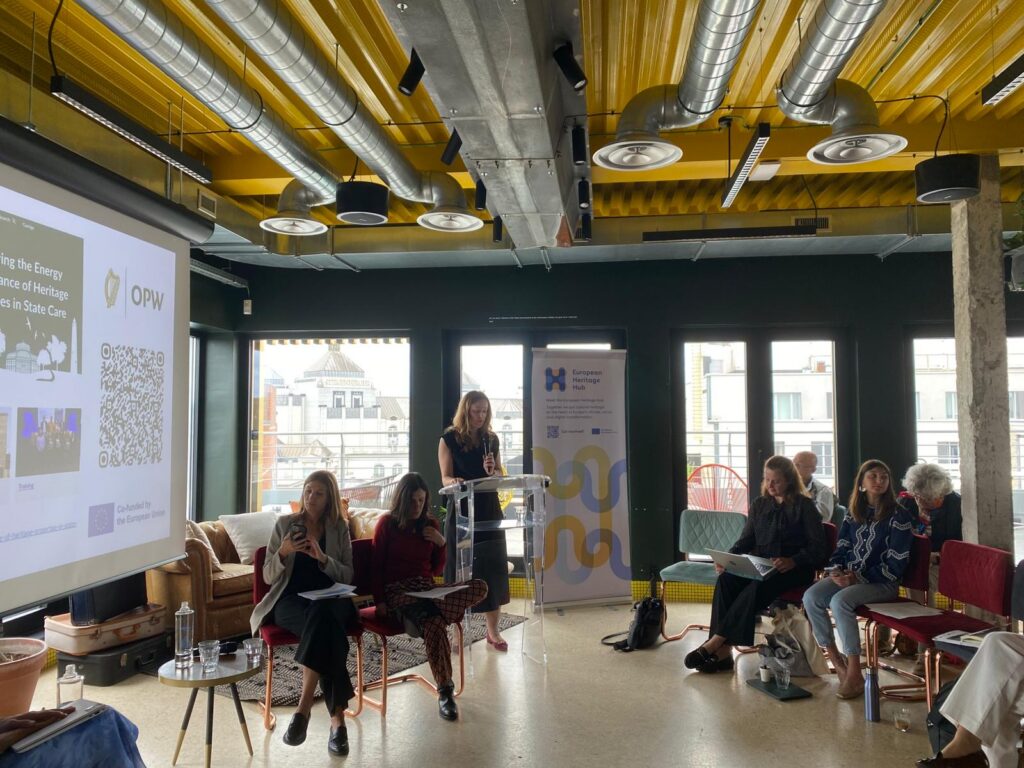
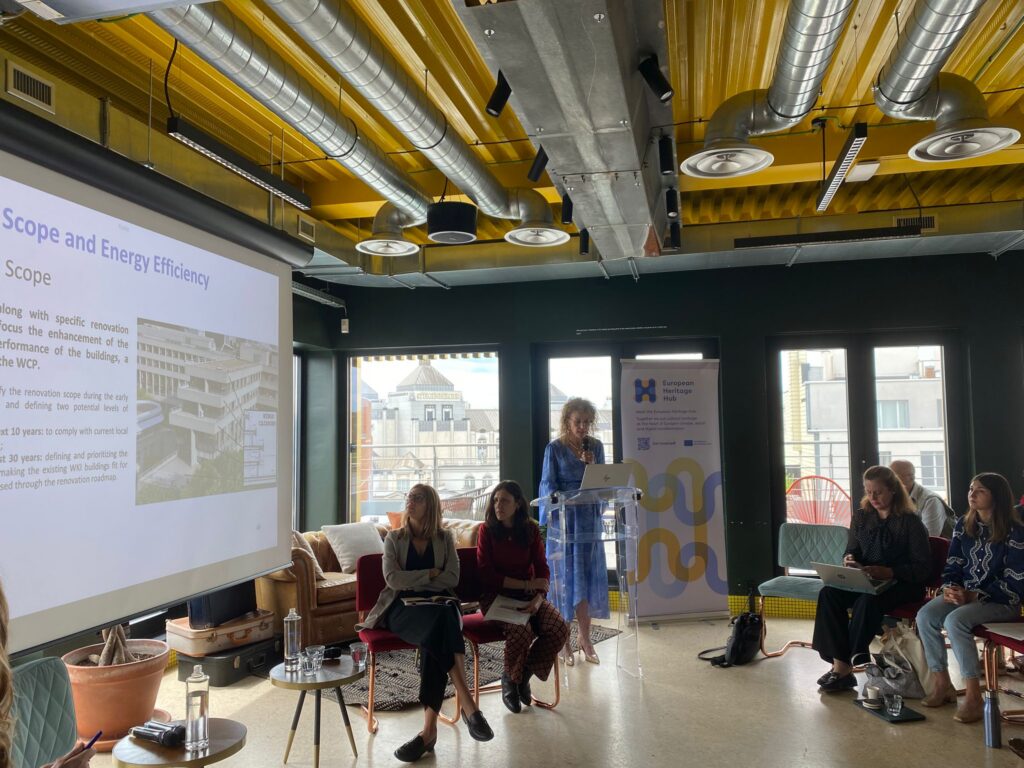
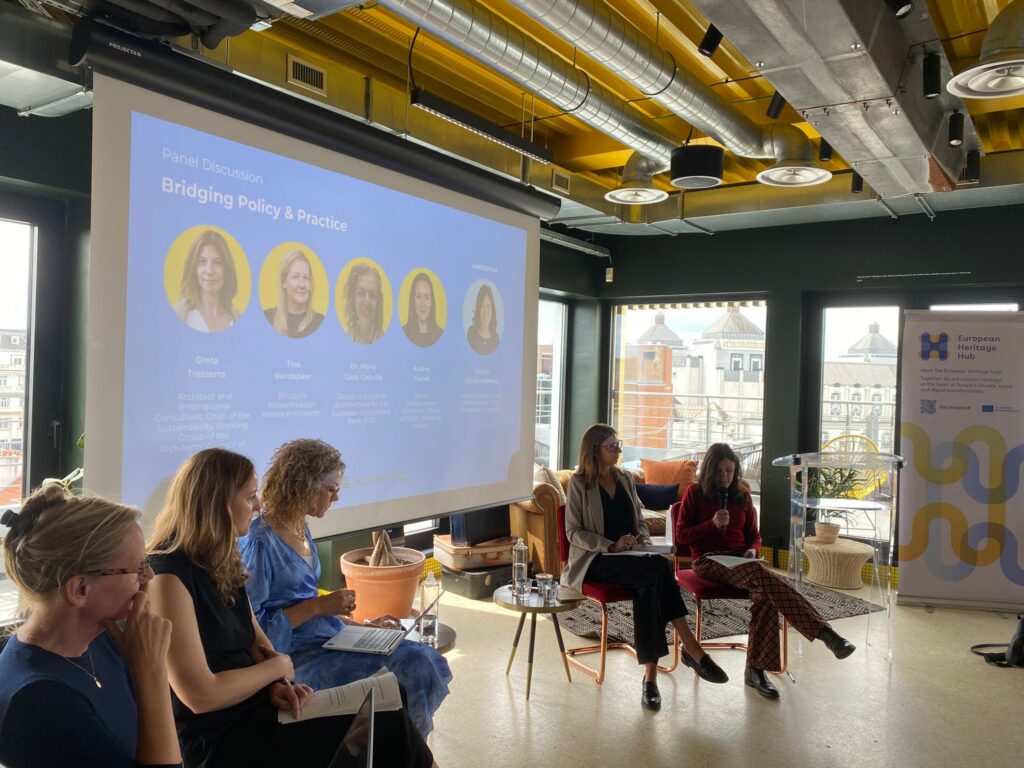
Dr. Maria Costi de Castrillo, Design Advisor on Architecture at the European Investment Bank, demonstrated how New European Bauhaus principles are being integrated into the renovation of the EIB’s West Campus — a case study on how heritage conservation and energy efficiency upgrades can be successfully combined within large-scale institutional developments.
Audrey Farrell, Senior Conservation Architect at Ireland’s Office of Public Works, shared lessons from the project “Improving the Energy Performance of Heritage Properties in State Care Initiative”, a 2026 European Heritage Award winner, highlighting the importance of evidence-based renovation, practical guidance and professional training to support heritage-sensitive energy upgrades.
From dialogue to action
The event concluded with a forward-looking discussion focused on translating the day’s exchanges into concrete policy recommendations.
Presenting the main takeaways, Cristina Garzillo Leemhuis emphasised that cultural heritage offers practical solutions to many of Europe’s most pressing challenges, including climate adaptation, housing affordability and social cohesion. She stressed the need for stronger policy coherence across sectors and governance levels, arguing that heritage should be embedded in future climate, housing and urban development strategies rather than treated as a separate policy field.
André Sobczak, Secretary General of Eurocities, highlighted the crucial role of cities in delivering the objectives of the New European Bauhaus. He underlined that local governments are at the forefront of implementing renovation, housing and climate policies and called for greater recognition of cities as equal partners in European policymaking. He also stressed the importance of utilising tools such as the European Heritage Hub to further this work.
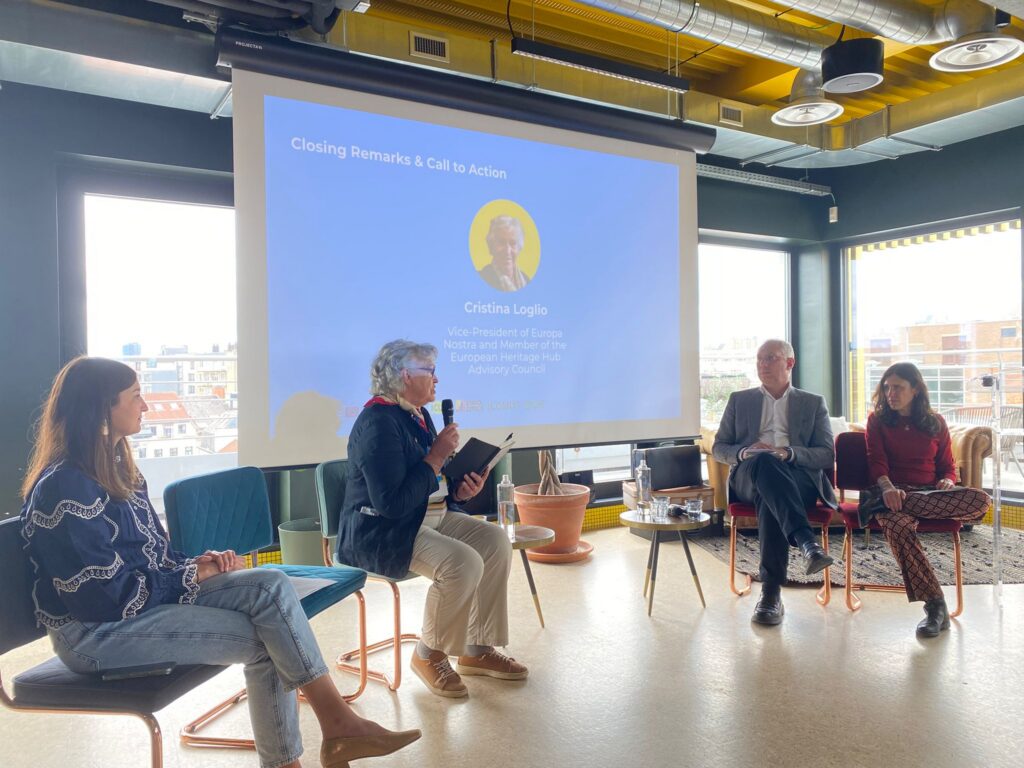
Cristina Loglio, Vice-President of Europa Nostra and Member of the European Heritage Hub Advisory Council, reflected on the broader cultural dimension of the New European Bauhaus. She emphasised that Europe’s heritage is not only a legacy from the past but also a resource for shaping the future. Calling for a stronger integration of culture and heritage within the next phase of the New European Bauhaus, she highlighted the importance of quality, beauty, participation and a sense of belonging in Europe’s green and social transitions.
The event concluded with a shared message: cultural heritage is a strategic asset for achieving climate goals, fostering social cohesion and creating affordable, sustainable and people-centred living environments across Europe. As discussions on the future of the New European Bauhaus continue, participants agreed that heritage must be fully recognised as a key contributor to Europe’s sustainable and inclusive transformation.
More information
All images © Europa Nostra