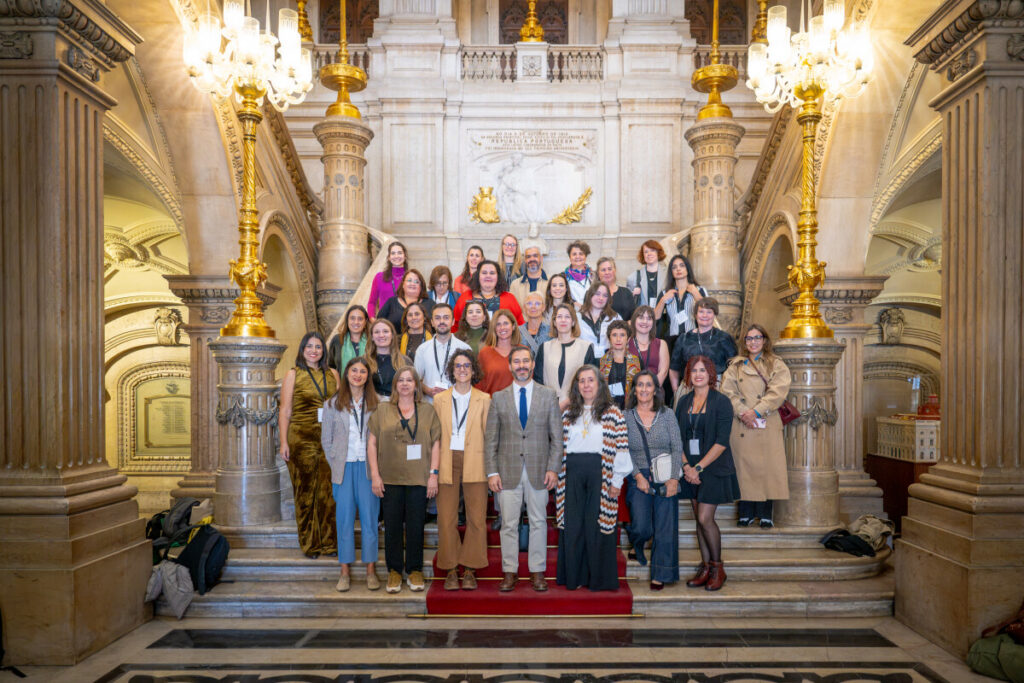
The Policy Team of the European Heritage Hub has released its fifth Policy Review, exploring how cultural heritage is shaping and being shaped by the green, digital, and social transformations across European cities and regions. This review builds on previous thematic analyses, including heritage’s role in digital and green transitions, and offers new perspectives on the intersection of heritage with sustainability, innovation, and social inclusion.
Jointly prepared by the Lisbon, Kraków, and Athens Hubs, the review draws from a diverse set of case studies, ranging from the revitalisation of traditional crafts in Portugal to sustainable water heritage management in Greece and pastoral landscape protection in Poland. These cases exemplify how heritage policies are not only adapting to contemporary challenges but are also contributing to the broader objectives of the European Green Deal, the Digital Agenda, and the New European Bauhaus.
Key insights from the fifth Policy Review include:
- Green Transformation: Cultural heritage is increasingly integrated into climate adaptation strategies, with initiatives like the Chalandri Aqueduct project in the Athens metropolitan area showcasing how blue-green infrastructure can link historic preservation with ecological resilience and citizen well-being.
- Digital Transformation: Projects across all three Hubs are leveraging digital tools to document, promote, and educate about heritage, such as Portugal’s digital repository for traditional crafts and the interactive storytelling platforms used in Chalandri.
- Social Transformation: Heritage is proving a catalyst for social inclusion and identity-building, particularly through participatory governance models and intergenerational learning, as seen in Lisbon’s Saber Fazer programme and Kraków’s Sheep Plus initiative.
The review also highlights the need for more inclusive, participatory governance frameworks to support heritage policy innovation, as well as the integration of heritage concerns into wider urban and regional development planning.
Despite significant progress, the review underscores persistent challenges, including fragmented competencies, uneven funding, and limited institutional capacity at the local level. Nonetheless, it affirms the strategic role of cultural heritage in building more sustainable, connected, and resilient communities.
As of February 2025, the Hub’s Policy Monitor includes over 1,000 policy documents from more than 33 European countries. These documents serve as a robust evidence base for assessing how local and regional initiatives align with EU policy priorities and for identifying emerging trends in cultural heritage governance.
With its fifth Policy Review, the European Heritage Hub continues to foster collaboration and policy learning across Europe, promoting a vision of cultural heritage as a transformative force in regional development and European integration.
Access the full fifth Policy Review here.
Cover image credits: 14 May 2025, 166th Plenary Session of the European Committee of the Regions, Belgium – Brussels / © European Union / Fred Guerdin