by Carlos Lemos
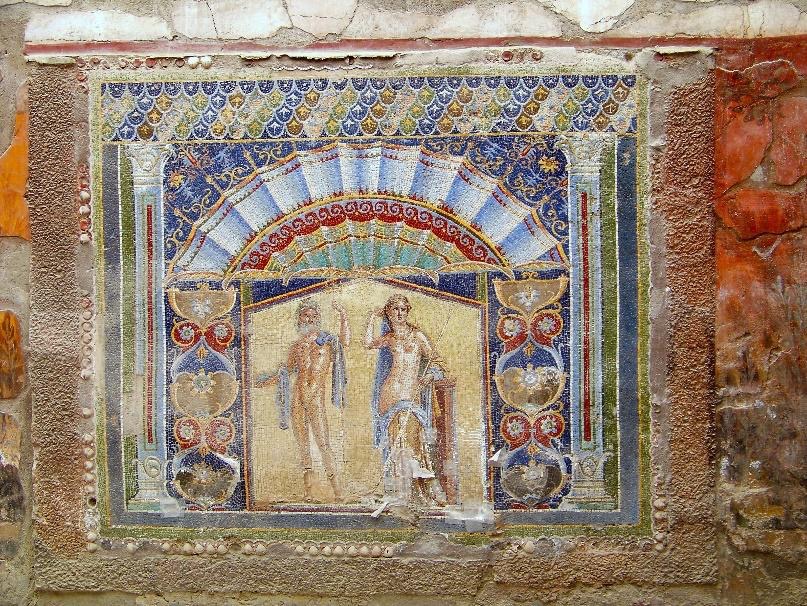
Artificial intelligence (AI) tools are increasingly being used to recover historical documents and artifacts. Following the eruption of Mount Vesuvius in 79 AD, a library containing more than 1,800 papyri ended up carbonised in the ancient city of Herculaneum. Almost 2,000 years later, a 3D scanning technique adapted from medical imaging was used to virtually unwrap those scrolls (Vesuvius Challenge). A machine-learning method, capable of distinguishing ink from burnt papyrus, was then able to read the hidden text. This way, a corpus that once required a destructive opening became accessible through digital methods, creating a preservation surrogate and a new scholarly object. Since AI-enabled reading can produce distortions, temporary gaps, or even hallucinations, philologists and other investigators are still needed to interpret recovered fragments.
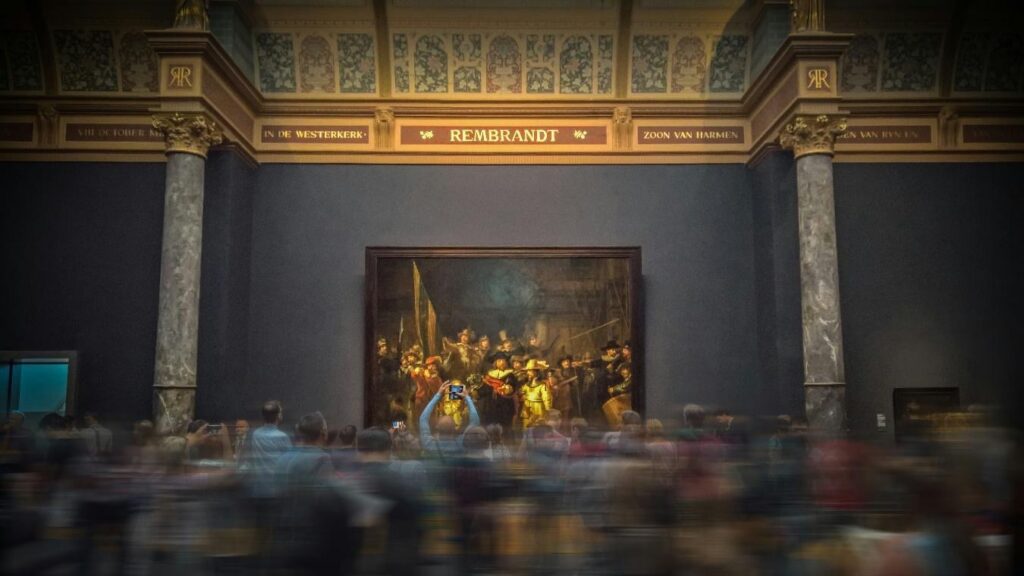
While some AI models are able to produce coherent and compelling text, others allow the creation of colourful pictures. When Rembrandt’s painting The Night Watch (1642) was moved into the Amsterdam town hall, the canvas had to be cut down to fit its new location. Although the removed strips were not preserved, a 17th-century copy portrayed the larger original composition. In 2019, a team from the Rijksmuseum taught Rembrandt’s technique and colour palette to a machine-learning model, used to recreate the missing edges in Rembrandt’s style (Operation Night Watch). Given that conflating the two could be misleading, the reconstruction was labelled as recreated and displayed around the canvas, maintaining a strict distinction between the original and the additions.
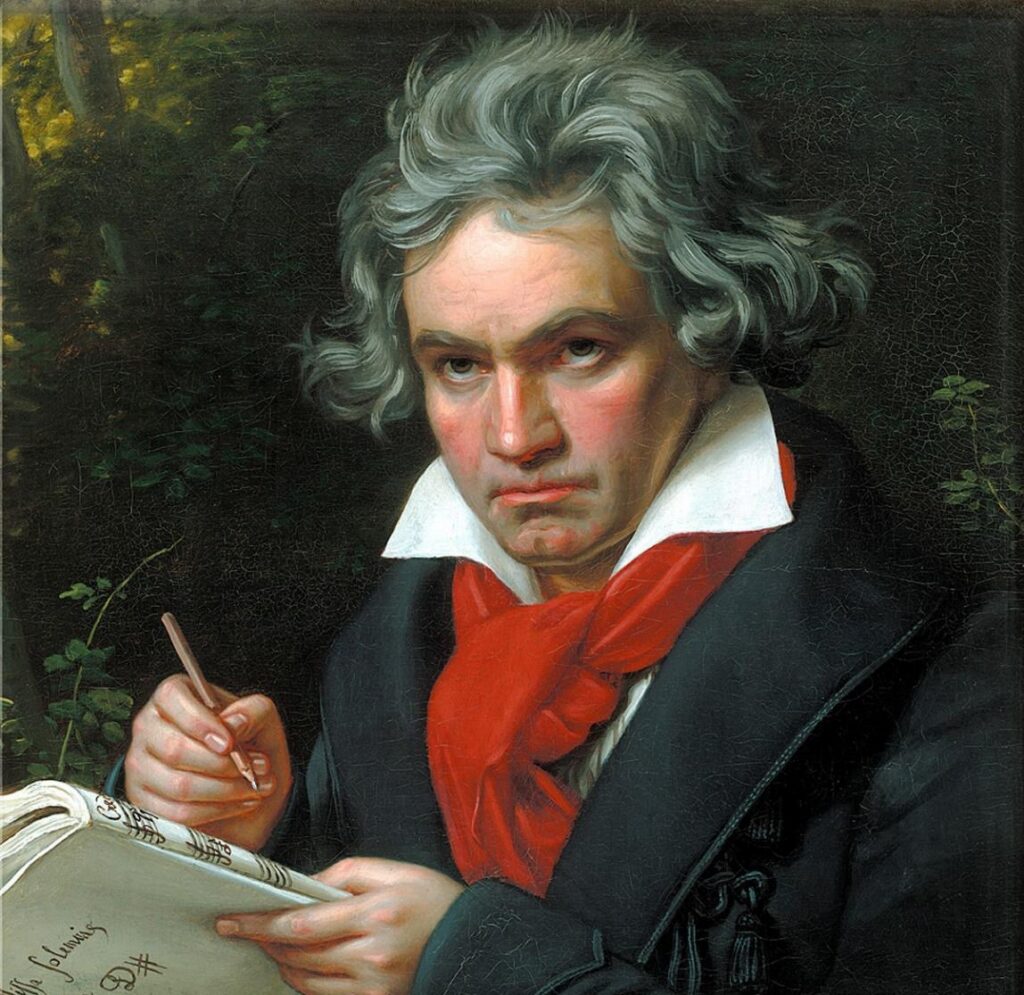
Also in 2019, AI was used to extend Beethoven’s sketches for a 10th symphony, left unfinished upon his death (Beethoven X: The AI Project). A machine-learning algorithm was trained on those sketches and other of Beethoven’s compositions, along with annotated materials reflecting theme and development. The model adapted natural-language processing to music generation — bridging sections, expanding motifs, and harmonising melodies — and finally assigned each line to a different instrument. The newly accomplished work premiered on 9 October 2021 by the Beethoven Orchestra Bonn under Dirk Kaftan. Beyond a performable score, this project gave rise to a live concert, a commercial recording, and a feature documentary, rendering an unfinished compositional work culturally comprehensible to the broader public. Although the performing version was a contemporary product built from historical material, AI-generated content can have serious implications for intellectual property and copyright.

About the author
Carlos Lemos is a Medical Doctor and Invited Assistant of Laboratory Medicine at the Faculty of Medicine of Lisbon University. His work brings together medical knowledge and diagnostic technologies, improving clinical decision-making and patient care. His interests include the ethical challenges raised by Artificial Intelligence in different areas of contemporary society. He holds a postgraduate degree in Bioethics from the University of Lisbon and Advanced Teaching Skills training at Harvard University. He has lectured at several conferences and authored papers on Artificial Intelligence, Laboratory Medicine, and Bioethics, contributing to interdisciplinary reflection on technological innovation in healthcare.